

 See My Latest Article on HelloNation
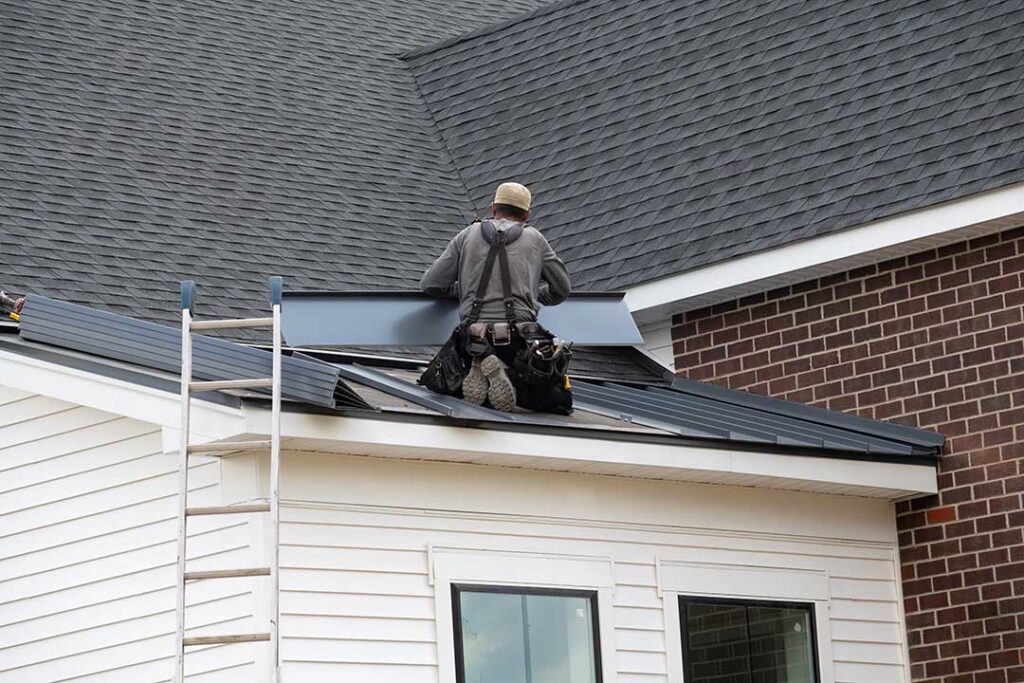
Why Does Winter Preparation Matter for Roofs in Flint, MI?
Snowfall, fluctuating temperatures, and ice make roofing in Flint, MI especially vulnerable during the winter. Preparing a roof for cold weather can prevent leaks, ice dams, and structural damage. Midwestern winters often include freeze-thaw cycles, so even small maintenance steps before the first storm can avert costly repairs and water problems.
What Should Be Checked Before Winter Hits?
Inspecting certain roof elements each fall keeps surprises to a minimum:
- Shingles and Flashing: Scan for missing, broken, or curled shingles. Damaged areas provide entry points for water and ice. Flashing around chimneys, vents, and valleys should be firmly sealed and free of lifting edges.
- Gutters and Downspouts: Clean out all debris before the first snow. Blocked gutters cause water backup and contribute to ice dam formation. Check that downspouts direct water at least a few feet away from the foundation.
- Attic Ventilation: Poor airflow in attics can lead to condensation and heat loss, both of which worsen winter roof issues. Make sure baffles and vents are unobstructed.
Many Flint homes are decades old and may have weathered previous severe winters, so hidden roof defects are not uncommon.
How Can Homeowners Remove Roof Debris Safely?
Pine needles, branches, and leaves add weight and trap moisture if left on the roof or in gutters. Using a sturdy, properly placed ladder, debris can be gently cleared with a roof rake or soft broom—never with metal tools, which can scrape surfaces.
- Use a rake designed for roofs with a telescoping handle
- Keep both feet on the ground if possible (for single-story homes)
- Avoid excessive pressure near the edge, where shingles are most vulnerable
Homeowners with steep or multi-story roofs, or homes with visible electrical lines nearby, should consider avoiding risky DIY work.
What About Roof Leaks That Only Show Up in Winter?
Winter leaks often stem from small vulnerabilities exposed during snowmelt or freeze-thaw cycles. Early warning signs include:
- Water stains on ceilings or inside attic spaces after a thaw
- Bubbling paint or wallpaper at the top of exterior walls
- Damp insulation or musty attic smells
Leaks near vents, skylights, or along roof valleys are especially common in older housing stock.
Why Are Ice Dams a Problem, and How Are They Prevented?
Ice dams are ridges of solid ice forming along eaves, caused by uneven roof temperatures. Warm air escaping from the living space melts snow on the upper roof, which then refreezes at the colder edges. Water backs up behind the ice, seeping under shingles.
Prevention strategies:
- Improve attic insulation to keep heat inside the house
- Make sure soffit and ridge vents aren’t blocked
- Keep gutters clear so meltwater can drain away
In extreme weather, long-handled roof rakes can help reduce snow buildup on the lower roof section.
Can Minor Repairs Be Done Before Winter, or Should They Wait?
Small problems like lifted shingles, cracked caulk, or loose vent boots should be addressed at the first safe opportunity in autumn. Mild fall days are the best window for roof patching—sealants work best above freezing, and repairs done before snowfall are less likely to fail under ice load.
Repairs are riskier once the roof is icy or snow-covered, both because of safety and because materials won’t adhere as well.
How Does Attic Insulation Affect Roof Health in Winter?

Proper attic insulation keeps household heat from rising into the roof deck, which helps maintain constant roof temperatures. This limits ice damming and keeps energy costs reasonable.
- Insulation thickness should be uniform, with no compressed or missing spots
- Gaps around wiring, piping, or light fixtures should be filled or sealed to reduce drafts
In some area homes, older or insufficient insulation can be improved with an additional layer of blanket or blown-in material.
Are There Local Issues Unique to the Community?
Like many older Midwest communities, Flint includes homes with steep rooflines, multiple roof planes, and older gutter systems—all of which can make winter maintenance a bit more complex. Trees close to homes shed leaves early in the season, meaning gutters may need clearing more than once per autumn.
Neighborhoods with larger mature trees or minimal yard setback may experience more wind-blown debris than houses on open lots. Walk around the property to check for pre-winter damage after seasonal storms.
What’s Commonly Overlooked in Winter Roof Prep?
Two areas frequently forgotten by local households:
- Vent Pipes: These can shift or lose their flashings, especially after summer storms, allowing slow winter leaks.
- Roof Valleys: Where two slopes meet, debris accumulation often goes unnoticed and can freeze solid under snow, blocking drainage.
Another oversight is attic moisture. Without vapor barriers and proper ventilation, warm indoor air can condense on cold wood, potentially leading to mold or wood rot that isn’t immediately visible from outside.
What Makes a Winter Roof Checklist Effective?
Practical winterizing means balancing effort, safety, and results. For most homes, an effective checklist includes:
- Carefully inspecting or photographing the roof before leaves fall
- Clearing all gutters and valleys before the first frost
- Spot-checking after wind or heavy rain events in late fall
- Verifying attic insulation and airflow
Addressing issues early reduces the risk of emergency repairs when roofs are snow-covered or inaccessible due to icy conditions. Regular, mindful attention to these areas can extend the life of the roof and increase comfort during Flint’s winter months.