

 See My Latest Article on HelloNation
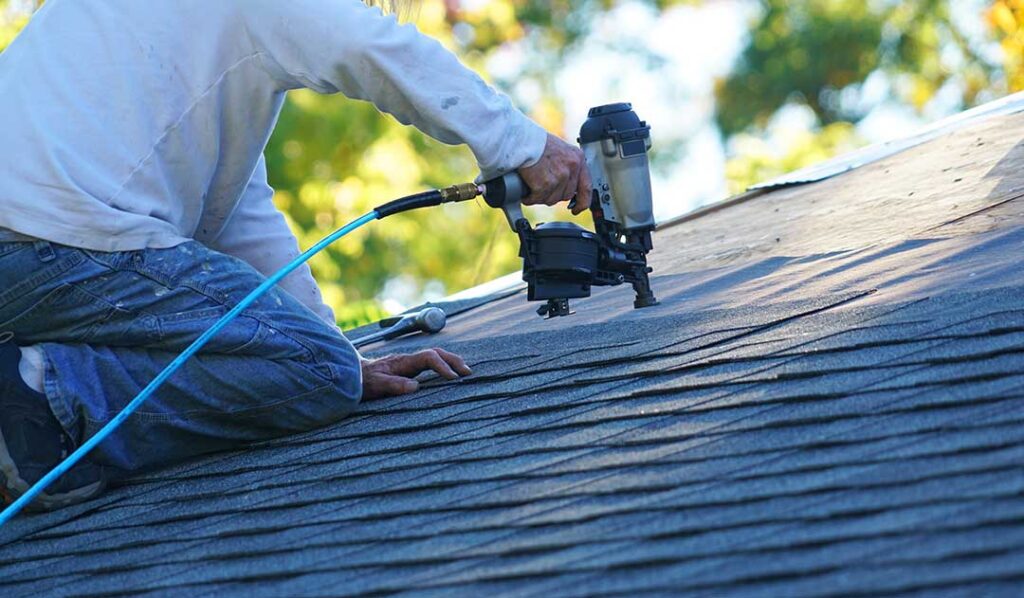
How Can You Tell If a Roof Needs Replacement?
A roof doesn't last forever, and recognizing when replacement is necessary is a common question among homeowners. Signs can be subtle or dramatic, but local factors make a difference. In Flint, MI, harsh winters, ice, wind-driven rain, and seasonal temperature swings stress even well-maintained roofs.
Many residents first notice problems as leaks, visible shingle wear, or after a major weather event. However, there are broader signs that it's time for a new roof:
- Shingles curling, cracking, or missing in several places
- Visible sagging or dips in rooflines
- Repeated leaks despite repairs
- Granules collecting in gutters or on the ground
- Daylight showing through the roof boards in attic spaces
- Persistent mold or moss growth, especially after snow melt
Recognizing these issues early can prevent more severe interior or structural damage.
How Long Should a Roof Last in Flint?
Most residential roofs in this area use asphalt shingles, which typically last 15 to 25 years. However, local weather conditions, proper attic ventilation, and installation quality can lengthen or shorten this lifespan. Severe winters, freeze-thaw cycles, and high winds common in the city mean that some roofs may need replacement closer to 15 years, especially if regular maintenance is skipped.
Clay, metal, and slate roofs are less common in Flint but tend to last longer—sometimes up to 50 years—though these come with different maintenance needs. Always know the installation year if possible; it’s a helpful reference point.
Are Roof Repairs Enough, or Is Full Replacement Better?
Sometimes, isolated damage can be fixed through repairs. Small leaks, a handful of missing shingles, or minor flashing issues may be addressed without full replacement—especially on newer roofs.
However, when significant portions of the roof are worn, torn, or patched over several times, repairs become less effective. In homes where leaks keep returning after patching, where roof decking is damaged, or when the roof shows widespread aging, replacement is usually the safer, long-term option.
Safety is another factor. If the roof’s structure is visibly sagging or if water damage is suspected inside the attic or walls, full replacement should not be delayed.
What Problems Are Specific to Roofs in Flint?
In the city, roofs face unique challenges tied to the local climate:
- Ice dams: Periods of snow and ice buildup lead to melting and refreezing at the eaves, forcing water beneath shingles.
- Wind damage: Gusts in storms can rip off shingles or lift edges, allowing water infiltration.
- Humidity: Warm, humid summers can speed up material breakdown and encourage moss or algae growth on shaded roofs.
- Poor ventilation: Homes with blocked soffits or minimal airflow can see trapped moisture, leading to rot or mold in roof decking.
Local housing stock includes a mix of older homes and newer builds; older roofs especially are vulnerable to weathering and may have outdated materials or layers of roofing. Assessing your roof with the area's climate and construction trends in mind helps spot problems early.
What Should Homeowners Check Themselves?
Many signs can be safely spotted from the ground or from inside the attic. Homeowners can:
- Walk around the home and look for shingles that are missing, curled, cracked, or buckling
- Check gutters after storms for large amounts of shingle granules
- Inspect the attic during or after rain for signs of moisture, streaks, or daylight entering through the roof boards
- Notice persistent ice build-up along roof edges in winter
- Smell for musty odors in top floors or attic that can point to water entry
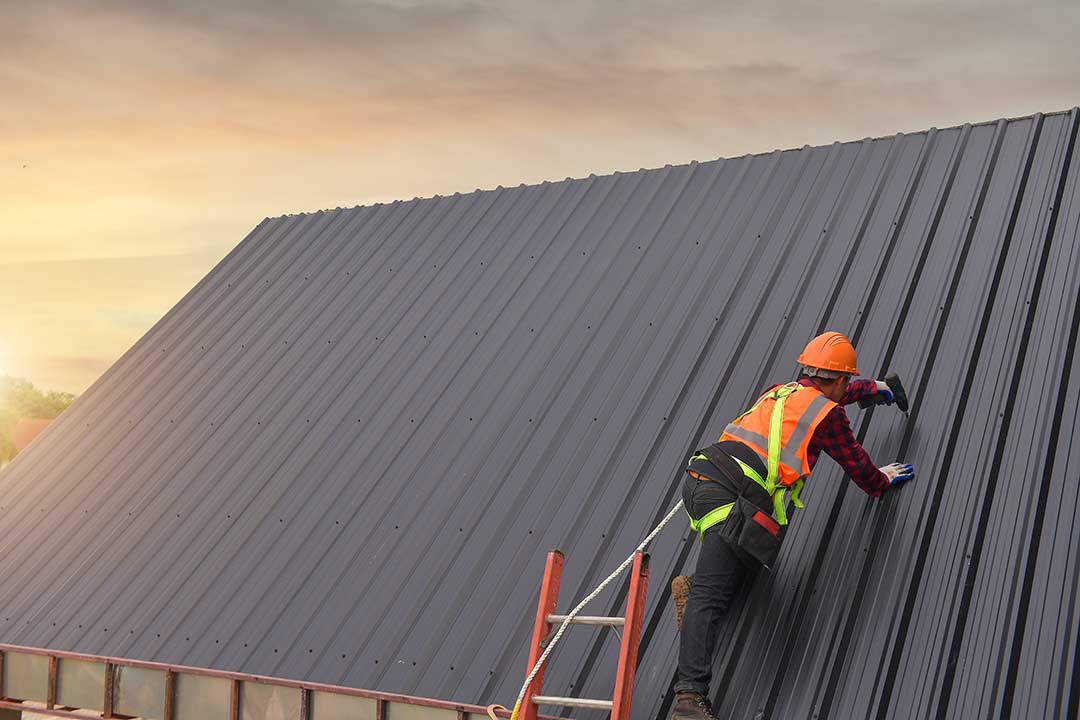
Some issues, like soft spots on the roof surface, require careful walking—which can be dangerous, especially on steep or icy roofs. In such cases, avoid climbing up and instead focus on what’s safely visible.
What Are the Risks of Waiting Too Long?
Delaying roof replacement beyond its useful life increases the risk of severe water damage, including:
- Rotted wood framing or decking
- Mold and mildew inside living spaces
- Insulation damage reducing energy efficiency
- Structural compromise that can be much more expensive to fix
It's easy to postpone roofing work, especially if leaks seem minor or infrequent. However, even small leaks can cause hidden damage that spreads far beyond the original point of entry, especially in older homes with multiple roofing layers.
Are There Common Misconceptions About Roof Replacement?
A frequent misconception in the city is that as long as shingles appear mostly intact, a roof is fine. In reality, roofs can have hidden weaknesses—like failing underlayment, deteriorating flashing, or deck rot—that are not obvious without closer inspection. Another myth is that all roofs should last for decades without attention; ignoring small issues often leads to bigger problems and a need for full replacement sooner than expected.
Layering new shingles over old ones is another practice seen in some city homes, but this can undermine the integrity of both layers and is not always permitted under local codes or best practices.
When Is Replacement Urgent?
Immediate action is needed if:
- There are visible holes or large patches of missing shingles after a storm
- Water is leaking through ceilings or pooling in living or attic spaces during rainfall
- The entire roof surface appears wavy, uneven, or visibly sagging
- Mold or musty smells become widespread and persistent, particularly in attic spaces
Safety and structural integrity should always take priority, especially if leaks threaten electrical systems or load-bearing walls.