

 See My Latest Article on HelloNation
Why Should Flint, MI Residents Prepare for Hurricane Season?
While Flint, MI is not directly in a coastal hurricane strike zone, strong wind events, remnants of hurricanes, and severe rainstorms can impact the area. Preparing a roof ahead of these unpredictable weather patterns helps reduce the risk of leaks, shingle loss, structural damage, and costly emergencies. Homes in the city, often older or built before frequent extreme weather events, can especially benefit from advance preparation each spring and summer.
What Are the Weak Points on Local Roofs During Severe Storms?
Most storm-related roof failures start at vulnerable places:
- Loose or curling shingles
- Damaged flashing around vents, chimneys, or skylights
- Unsealed roof edges and eaves
- Aging or clogged gutters and downspouts
In Flint, wind uplift can be a hidden risk—especially on older homes where fasteners or underlayment have weakened over time. Poor roof ventilation also means water can enter attics through even small cracks, compounding moisture damage and making mold growth more likely.
How Can Residents Inspect a Roof for Storm Readiness?
A thorough, safe roof inspection can be done from the ground with binoculars and inside the attic. Look for:
- Missing, broken, or worn shingles (darker spots, granule loss, or flipping edges)
- Bent, rusted, or displaced flashing around any protrusion or seam
- Sagging gutters, visible debris, or water stains under eaves after hard rain
- Signs of daylight, dampness, or mold in attic spaces, especially near the roof peak or around roof penetrations
If shingles are brittle or come off with a light touch, or if decking feels spongy underfoot (if safely checked from a ladder), these are warning signs that should be addressed before the peak storm season begins.
What Maintenance Helps Most to Prevent Wind and Water Damage?
For Flint homeowners, certain maintenance steps are especially valuable before the rainy and windy season:
- Clean all gutters and downspouts, ensuring water flows freely away from the foundation and roofline.
- Secure loose shingles or replace those that are missing, torn, or curling.
- Add roofing cement under loose tabs if only minor lift is present.
- Reinforce or reseal flashing at all joints and penetrations, using an appropriate sealant.
- Trim back tree branches hanging over roofs, which can snap in high winds and cause impact damage.
- Make sure attic ventilation is unobstructed to prevent condensation and bolster roof integrity.
These steps help limit water intrusion, deter wind from prying up edges, and reduce debris that could puncture the roof surface during violent storms.
Should Residents Use Storm Straps, Roof Tape, or Other Reinforcements?
Some improvements go beyond basic maintenance:
- Hurricane ties or roof straps—metal connectors installed at truss-to-wall connections—are uncommon in older Flint homes but provide additional holding strength.
- Peel-and-stick underlayment or roof tape offers extra waterproofing at the eaves, valleys, and ridges, especially useful in areas with older decking.
- High-wind rated shingles are rarely required by code locally, but if re-roofing, they provide longer-lasting security.
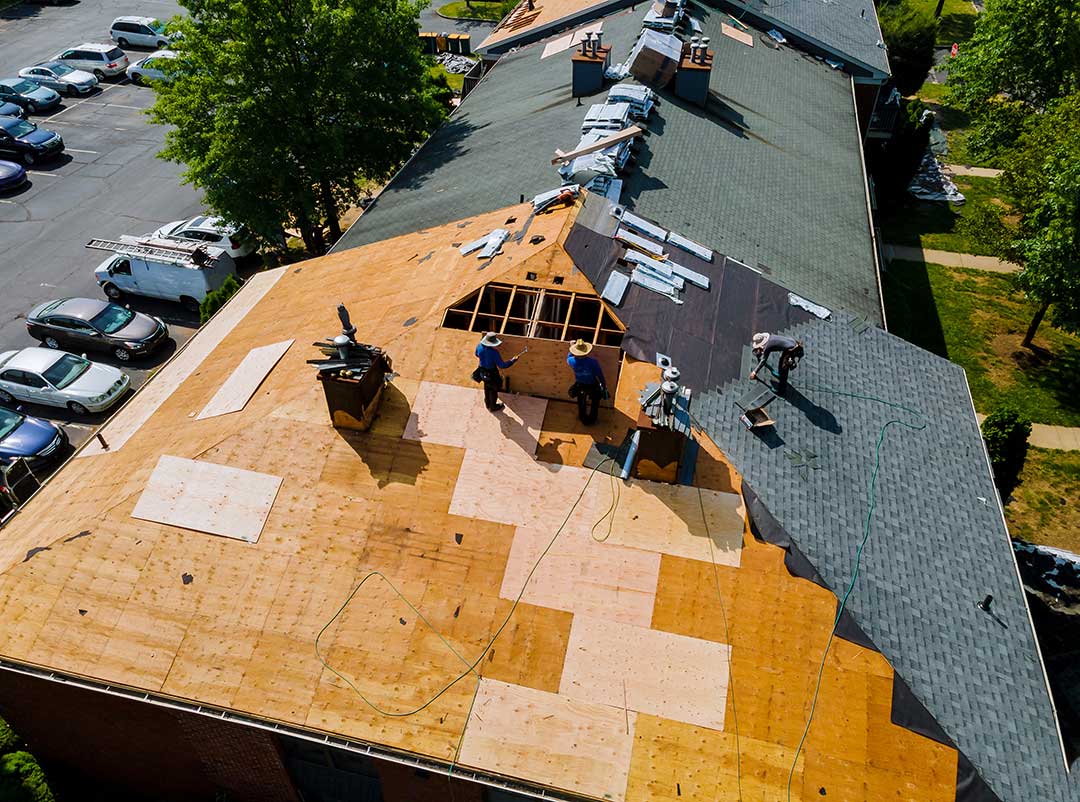
Though major structural changes aren’t usually undertaken as seasonal preparations, small reinforcements—like adding fasteners to loose decking edges or sealing exposed nail heads—add resilience without much expense or expertise.
What Mistakes Do Area Homeowners Commonly Make?
Several common oversights can compromise storm preparedness:
- Ignoring small shingle cracks or minor leaks, which get much worse after a storm
- Letting gutter debris build up until water backs up under roofing
- Believing wind can’t dislodge heavy shingles—gusts over 50 mph are enough for edge stripping
- Over-tightening or nailing shingles outside manufacturer instructions, which weakens them
- Waiting until a major storm is forecast to try to patch or repair
Regular, gradual attention to these details makes roofs less susceptible to urgent, weather-driven damage.
How Can Residents Prepare If They Cannot Safely Access Their Roofs?
When ladders or heights aren’t safe or practical, residents can:
- Use binoculars to inspect shingles and flashing from the ground
- Check attics for signs of leaks or daylight, which pinpoint roof trouble spots
- Look for water stains or peeling paint on ceiling areas beneath the roof during and after rainy spells
- Enlist a family member or neighbor for visual checks from upper windows
Fixing loose or compromised areas from the inside (like sealing attic-side leaks with roofing tape or catching drips in buckets) offers a temporary barrier until a safe repair can be scheduled.
Where Can Flint Residents Find Official Storm Preparedness Guidelines?
Locals can consult official recommendations through city or county emergency management agencies or consumer safety programs. Such guides outline roof-anchoring best practices, inspection checklists, and updates on weather patterns most likely to affect the area. The city’s public works or building department also has resources about roof codes and seasonal maintenance tailored for local weather.