
 See My Latest Article on HelloNation
What Is a Roof Warranty and Why Does It Matter?
A roof warranty provides a written guarantee outlining what repairs or replacements are covered if your roof develops certain problems within a specified time frame. For families and property owners in Flint, MI, understanding these documents can prevent surprises during roof repairs, especially as harsh winters and heavy humidity in the area can test the limits of roofing materials.
Warranties can help reduce out-of-pocket expenses, but not all warranties work the same way. Knowing the differences, terms, and limitations can help households protect their investment long-term.
What Types of Roof Warranties Are Common?
There are generally three main types of roof warranties relevant to homes in Flint:
*Manufacturer’s Warranty*: This covers defects in the roofing materials themselves, such as shingles or membrane, for a defined period (often 20-50 years for asphalt shingles). Material warranties are sometimes prorated, meaning coverage decreases as the roof ages.
*Workmanship or Installation Warranty*: Provided by the roofing contractor, this covers problems caused by errors during installation—such as improper nailing or flashing—that lead to leaks or early failure. Coverage periods are usually shorter, ranging from 1 to 10 years.
*System or Full Coverage Warranty*: Sometimes offered as a premium option, these combine material and installation coverage, and may also cover components like underlayment, vents, and water barriers.
A common misconception is that all warranties protect against any type of roof damage, but exclusions and requirements vary significantly.
What Do Roof Warranties Typically Cover?
Roof warranties are designed to address specific issues, not every possible roof problem. Generally, they cover:
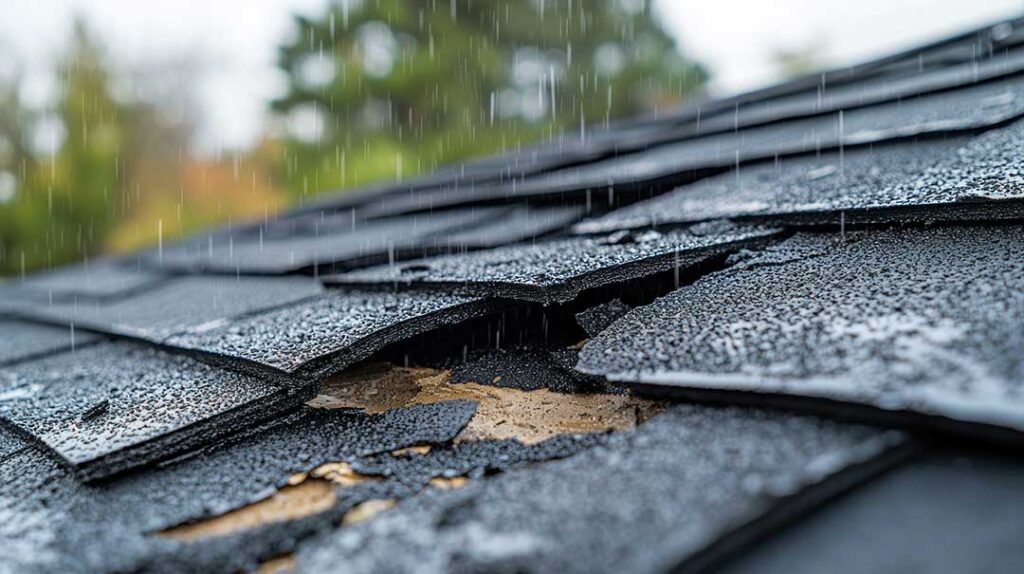
- Material defects resulting in premature cracking, splitting, or granule loss (manufacturer’s warranty)
- Leaks or failure due to improper installation (workmanship warranty)
- Some system warranties also cover roofing accessories if they fail due to manufacturing or installation defects
However, most do not cover:
- Damage from severe storms, hail, ice dams, or falling tree limbs (these are usually claimable under homeowners insurance)
- Routine aging and wear
- Mold or algae stains, unless stated
- Problems from poor maintenance or unauthorized repairs
In Midwest climates like Flint’s, major weather events or ice damming are frequent sources of roof problems, but these often fall outside the scope of standard warranties.
Are There Maintenance Requirements for Warranties?
Yes, almost every roof warranty requires regular maintenance, and neglecting these requirements can void your coverage. Homeowners might need to:
- Remove debris, leaves, or branches from the roof and gutters
- Inspect for visible damage or exposed underlayment after storms
- Address moss, algae, or mildew growth
- Avoid using unapproved cleaning chemicals
- Record any DIY maintenance or inspections
Documentation is key. Keep a log of roof cleanings and any contractor inspections. If warranty service is needed, having this record can be crucial.
What Exclusions or Loopholes Should Residents Be Aware Of?
There are several common exclusions and requirements that can limit warranty protections:
- Improper installation: If a product warranty excludes certain installation errors, damage from these may be denied.
- Covered repairs must be performed by authorized professionals. DIY repairs or using an uninsured contractor can invalidate coverage.
- Poor attic ventilation: Many manufacturers won’t honor warranties if heat buildup, condensation, or ice dams caused the damage due to inadequate ventilation.
- Transferring ownership: Some warranties are non-transferable or require registration to transfer to a new owner, which can catch home sellers and buyers off guard.
It’s worth reading the fine print. In the city, where many homes are decades old and frequently resold, transferability can affect long-term property value.
How Long Do Roof Warranties Last?
Coverage lengths vary by type and quality of roofing:
- Standard asphalt shingle material warranties: 20-30 years, often prorated after the first decade
- Premium or higher-grade shingles: up to 50 years or “lifetime” (actual meaning varies)
- Workmanship warranties: usually 1-10 years based on the contractor and scope of work
- System warranties: typically 10-25 years if all specified components are from the same manufacturer
Older homes in Flint often have mixed or layered roofing materials. If your roof has multiple past repairs, the original warranty terms may not apply.
What Should Homeowners Do If a Problem Arises?
If you notice a leak or another issue that might be covered, review your warranty documents first to confirm eligibility. Then:
- Document the problem with clear notes and photos
- Gather any receipts or proof of routine maintenance
- Contact the responsible party listed on the warranty for next steps
- Do not attempt repairs until reaching out, unless safety is immediately at risk
For major leaks or extensive storm damage, your homeowners insurance will likely be more relevant than your roof warranty.
Common Misunderstandings About Roof Warranties
Many residents believe warranties act as blanket protection. In reality:
- Cosmetic issues like shingle discoloration are rarely covered
- Damage from gutter backups—common after leaf-heavy autumns in Flint—is not usually a warranty issue unless tied to product failure or incorrect installation
- Some warranties require registration within a set time after installation; missing this window can void coverage
- Not all warranties are free—a longer or more comprehensive warranty may incur an upfront fee
Why Local Climate and Practices Matter
Flint's combination of heavy winter snow, ice, spring rain, and summer humidity means roofs experience a wide range of stresses. Ice damming, wind-driven rain, and abrupt freeze-thaw cycles can cause problems that aren’t always protected by warranties. This makes regular maintenance and realistic expectations essential.
Homeowners who understand their warranty’s limits are better prepared to plan for repairs, work with insurance when necessary, and budget for normal roof aging.