

 See My Latest Article on HelloNation
Why Do Roofs Leak in Flint, MI?
Roof leaks are a common frustration for homeowners in Flint, MI, especially with the region’s mix of older housing stock and challenging weather. These leaks often result from a combination of age, climate, and delayed maintenance. Understanding what typically causes a roof to leak in the city can help residents spot issues early and protect their homes from further damage.
How Does Weather in Flint, MI Affect Roof Longevity?
The local climate plays a major role in roof wear and tear. Flint experiences significant seasonal variation—freezing winters, wet springs, hot summers, and plenty of freeze-thaw cycles. Heavy snowfall, ice dams, and wind-driven rain all test local roofs, particularly those on homes built decades ago.
- Ice Dams: Repeated freezing and thawing causes ice to build up along roof edges. Melted snow gets trapped behind the ice and can seep under shingles, leading to leaks inside the house.
- Wind and Rain: Spring and summer storms sometimes push water underneath shingles, especially if they’re already loose or worn.
- Humidity: Moisture trapped in attics during muggy weather can worsen rot and degrade roofing materials from below.
Many roof problems in the city start or worsen after unusually harsh winters or recent storms.
What Are the Most Overlooked Roof Leak Sources?
While missing shingles and clear holes are easy to spot, many leaks result from subtler, overlooked issues:
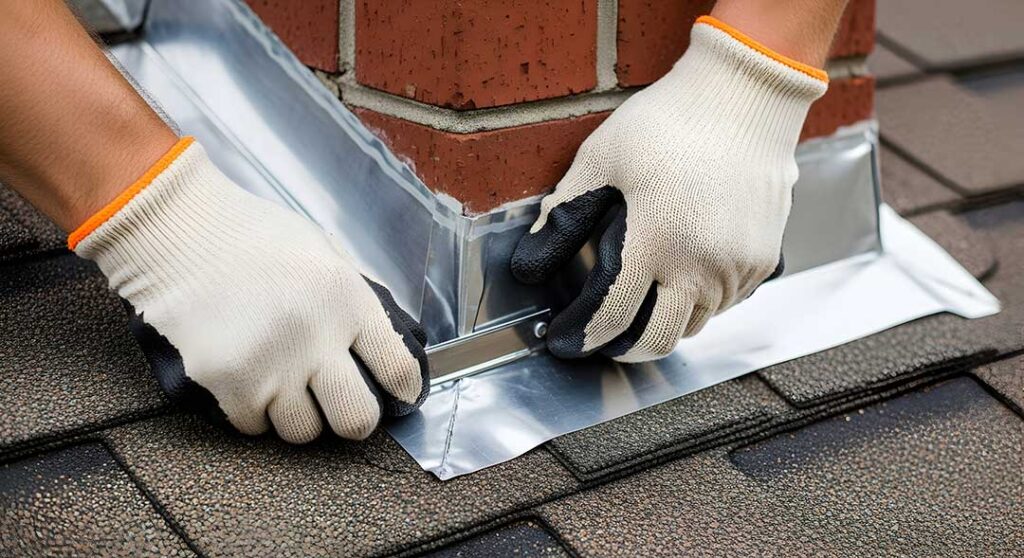
- Flashing Failures: Flashing is thin metal or plastic installed around chimneys, skylights, roof vents, and where rooflines meet walls. Even small gaps or rust in flashing allow water to penetrate.
- Exposed Nail Heads: Nails that aren’t properly sealed or have backed out over time can create small entry points for water.
- Cracked or Old Sealant: Many critical seams and joints rely on caulking or roofing sealant. In Flint’s freeze-thaw cycles, this material can dry, shrink, and crack, losing its protective seal.
Leaks from these sources often travel along rafters or insulation, appearing far from where the water first entered.
Are Missing or Damaged Shingles Always the Culprit?
While missing or curled shingles are a visible clue, partial shingle damage is often enough for water to get in during a downpour or when snow melts on the roof. Over time, asphalt shingles can shed their protective granules due to hail, foot traffic, or even just age, making them more susceptible to leaks.
Locally, many homes still have roofs installed 20+ years ago. Prolonged sun exposure, as well as fluctuations between freezing and warm temperatures, accelerate natural wear. In some areas, old or poorly maintained roofs are more likely to leak sooner, even if damage isn’t obvious from the ground.
How Do Clogged Gutters and Downspouts Cause Leaks?
Water needs to move freely away from the roof; blocked gutters or downspouts can disrupt that process. In Flint, falling autumn leaves and debris from neighborhood trees often clog drainage systems, causing:
- Water to back up under shingles at the eaves
- Excessive ice buildup during cold snaps
- Overflow that exposes siding and foundations to moisture
Each of these can lead to water intrusion and indoor leaks, sometimes causing visible stains along ceilings and walls.
Why Are Attic Issues Tied to Roof Leaks?
Attic ventilation and insulation may seem unrelated at first, but both directly affect how well a roof resists leaks in Flint’s climate.
- Poor Ventilation: Without steady airflow, heat and moisture build up in attic spaces, encouraging ice dam formation and promoting rot. This weakens decking and roofing materials.
- Insulation Problems: Inadequate or uneven insulation allows uneven snow melt and increases the risk of ice dams, especially on older homes.
Attic mold or a musty smell are sometimes the first sign of underlying roof leakage or moisture trapped from above.
Does Roof Age Increase Leak Risk?
In the community, many homes were built during population booms several decades ago. Roofing materials have a lifespan—most asphalt shingles last about 20-25 years under ideal conditions. Leaks often develop on older roofs due to:
- Natural breakdown of materials from sun, cold, and moisture
- Prior repairs or patches failing over time
- Fasteners and sealants losing effectiveness
Older roofs also rely on older construction methods or less advanced materials, which may not withstand Flint’s unpredictable weather as well as modern roofs.
What Maintenance Mistakes Should Be Avoided?
Small issues left unaddressed can turn into big problems, especially in an area prone to seasonal weather extremes.
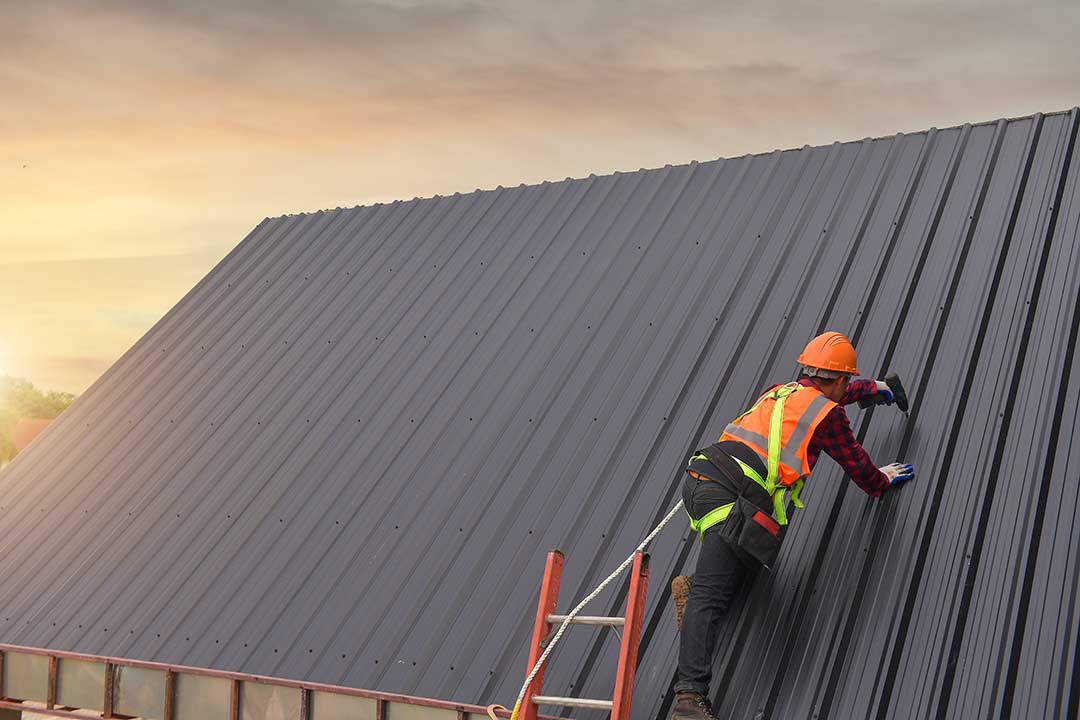
Common local mistakes include:
- Putting off minor repairs until after winter or heavy rains
- Not cleaning gutters at least twice per year
- Covering roof damage with tarps for extended periods instead of pursuing a timely fix
- Blocking attic vents (accidentally or for heat retention) and causing condensation
Ignoring these details often means water finds its way inside, even if the roof seems mostly intact.
Can Skylights, Vents, and Chimneys Be Problem Areas?
Any roof penetration increases the potential for leaks if it’s not properly installed, aged, or sealed. In Flint:
- Skylight seals can crack or detach after severe temperature swings.
- Roof vents, if knocked loose by wind or animals, may allow rain in around their base.
- Chimney flashing, especially on older masonry, can rust or pull away from brickwork, making it a frequent source of leaks into attics and living spaces.
Water marks or peeling paint around these areas indoors can indicate related leaks from above.
What Signs Should Residents Watch For?
Spotting leaks early often saves time and cost on repairs. Common signs inside Flint homes include:
- Discolored or soft spots on ceilings or walls
- Mold, mildew, or persistent musty smells
- Peeling or bubbling paint near the ceiling
- Water drips, even if only during certain weather
Outside, look for:
- Shingles that are curled, missing, or lifting
- Sagging or stained sections of the roof
- Moss growth, especially where gutters overflow
Addressing these indicators quickly helps prevent further structural damage, rot, or interior mold growth.