
 See My Latest Article on HelloNation
Roofing advice is often passed from one homeowner to another, but some commonly repeated claims are incomplete or misleading. In Flint, MI, changing seasons, snow, wind, ice, and older housing stock can expose the limits of simplified roofing rules.
Understanding what is true—and what is not—helps residents recognize problems earlier and make better maintenance decisions.
Does a roof need to be replaced as soon as it reaches a certain age?
No. A roof’s age is useful context, but it does not determine its condition by itself.
Asphalt shingle roofs are often discussed in terms of expected service life, but actual performance depends on installation quality, ventilation, attic moisture, storm exposure, roof slope, shade, and maintenance. A roof that is older may still be functioning properly, while a younger roof can develop leaks or material failure after severe weather or installation problems.
Warning signs deserve more attention than age alone. These may include:
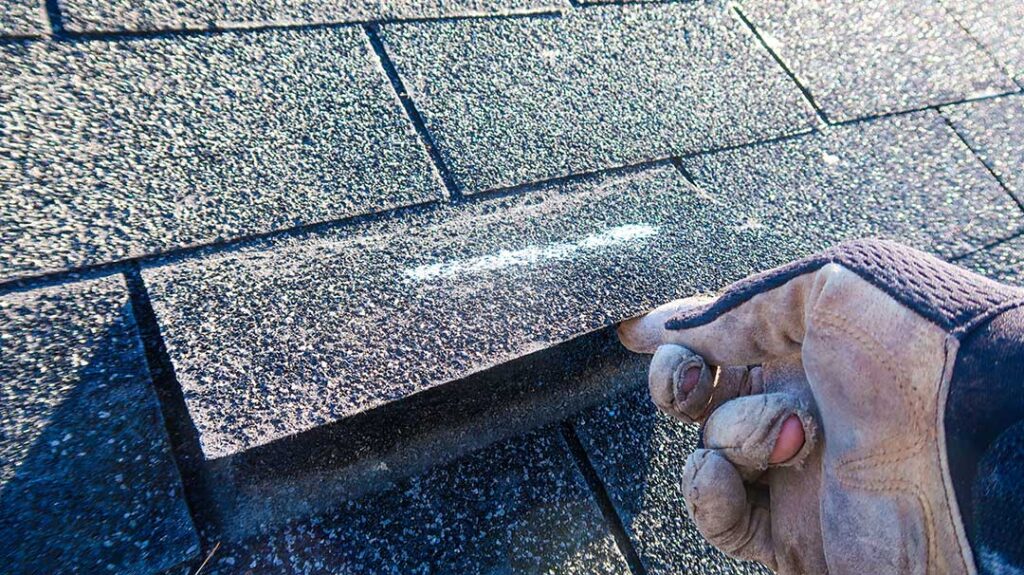
- Missing, cracked, curled, or lifted shingles
- Granules collecting in gutters or downspouts
- Water stains on ceilings or attic framing
- Daylight visible through the roof deck
- Rusted or damaged flashing
- Sagging areas along the roofline
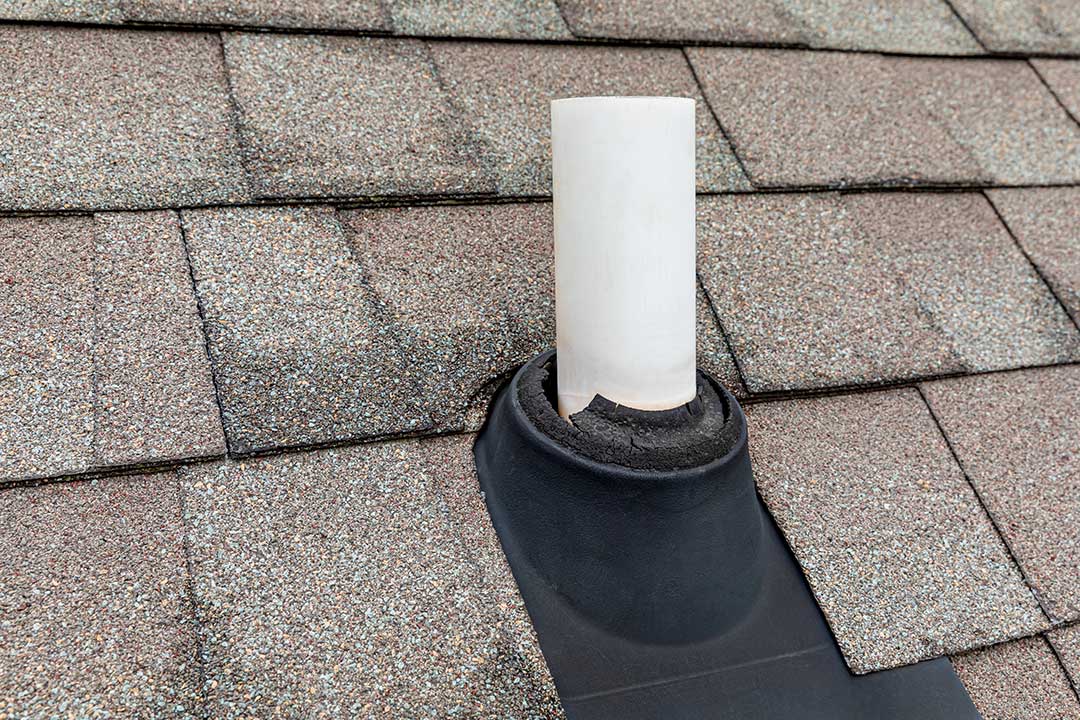
- Repeated leaks around chimneys, vents, or skylights
Age can justify a closer inspection, but it is not an automatic replacement order.
Are roof leaks always directly above the ceiling stain?
No. Water frequently travels along roof decking, rafters, insulation, or framing before appearing inside the home.
A ceiling stain may be located several feet from the actual entry point. The source could be a damaged shingle, failed flashing, an open vent seal, an ice dam, or water entering near a roof intersection. Tracing a leak by looking only at the spot where water appears can lead to an incomplete repair.
The first visible stain may also appear after the original leak has stopped. Wet insulation and roof materials can hold moisture, allowing a mark to develop later. During or after heavy rain, checking the attic—if it can be done safely—may reveal damp wood, wet insulation, or fresh water trails.
Do new shingles solve every roofing problem?
No. New roof covering cannot correct every problem underneath it.
A roof assembly includes more than shingles. It may also include the deck, underlayment, flashing, ventilation paths, insulation, eaves, valleys, and penetrations for plumbing or mechanical equipment. If the roof deck is deteriorated or the attic has persistent moisture, installing new shingles without addressing those conditions may only delay the visible symptoms.
This is especially relevant in older homes, where previous repairs may have added layers of roofing material, altered ventilation, or left hidden wood damage. A roof can look new from the ground while still having problems at the edges, valleys, or penetrations.
Does attic ventilation make a roof cold enough to prevent all ice dams?
No. Ventilation can help, but it is only one part of ice-dam control.
Ice dams form when sections of a roof become warm enough to melt snow while colder roof edges allow the meltwater to freeze. Warmth may enter the attic through gaps in the ceiling, insufficient insulation, recessed lighting, ductwork, or poorly sealed attic access panels.
Effective control often involves a combination of:
- Air-sealing gaps between the living space and attic
- Maintaining consistent insulation coverage
- Keeping soffit and upper-roof ventilation paths clear
- Directing bathroom and kitchen exhaust outdoors
- Addressing heat sources or leaky ducts in the attic
- Using appropriate water-shedding protection during roof construction
Large icicles do not always prove that a roof is failing, but recurring ice buildup can increase the risk of leakage and falling ice.
Are gutters separate from roofing and therefore not very important?
No. Gutters and downspouts are part of the roof drainage system.
A roof may shed water correctly, but blocked, damaged, or poorly directed gutters can send water back toward fascia boards, soffits, siding, windows, and the foundation. In freezing weather, standing water and ice can add stress to gutter attachments and contribute to buildup along roof edges.
Gutters do not cause every roof leak, and cleaning them will not repair damaged shingles or flashing. However, keeping water moving away from the roof edge and foundation reduces avoidable moisture problems.
Downspouts should discharge far enough away from the foundation to prevent water from collecting beside the house. Extensions may be useful where the surrounding grade does not move water away naturally.
Can a roof be judged accurately from the ground?
Only to a limited extent. A ground-level view can reveal obvious missing shingles, sagging, heavy moss, or damaged flashing, but it cannot show every important condition.
Some problems occur beneath the visible roof covering. Others are found around chimneys, valleys, skylights, plumbing vents, and roof-to-wall intersections. A roof may also appear sound from the street while having moisture damage in the attic.
Climbing onto a roof adds fall risk, particularly when shingles are wet, icy, steep, or brittle. Binoculars can help with a basic visual check from the ground, while attic observations can provide additional information without walking on the roof.
Does a small leak mean the damage is minor?
Not necessarily. A small interior stain may result from a short leak, but it can also indicate repeated moisture exposure hidden above the ceiling.
Roof leaks can wet insulation, roof sheathing, rafters, drywall, and electrical components. Over time, damp materials may develop mold or decay. A stain that appears small does not reveal how long the moisture has been present or how far it has traveled.
A leak that occurs only during wind-driven rain, thawing snow, or a particular wind direction can be especially difficult to identify. Keeping notes about when the leak appears—such as during heavy rain, rapid thawing, or strong wind—can help connect the symptom to its likely cause.
Is moss always harmless?
No. A small amount of moss is not automatically an emergency, but persistent growth can hold moisture against roofing materials.
Moss is more likely in shaded, damp areas where roof surfaces dry slowly. It can lift or separate shingles, interfere with drainage, and make the surface slippery. Aggressive scraping can also remove protective granules or damage the shingle surface.
Moss treatment should be approached carefully. Pressure washing is generally unsuitable for asphalt shingles because the force can strip granules and drive water beneath the roofing material. Improving sunlight, trimming overhanging branches, and keeping debris from accumulating can reduce conditions that support moss growth.
Does more attic ventilation always improve the roof?
No. Ventilation works best when intake and exhaust airflow are balanced and the attic boundary is properly sealed.
Adding an exhaust vent without adequate intake air may produce little benefit. Blocking soffit vents with insulation can also prevent airflow, while unsealed openings between the home and attic allow warm, moist air to enter the space. That moisture can condense on cold roof surfaces during winter.
Roofing, insulation, and ventilation should be considered as one system. A well-ventilated attic still needs proper air sealing, insulation placement, and outdoor venting for bathroom fans, kitchen exhaust, and clothes dryers.
Can homeowners wait until spring to address every winter roofing problem?
No. Some conditions should be handled promptly, even during winter.
Active water entry, a sagging roof, exposed electrical components, large areas of missing roofing, or heavy ice buildup near entrances can create property and safety hazards. Temporary measures may limit damage until permanent work is practical, but snow and ice should not be removed from a roof by untrained individuals using unsafe tools or climbing equipment.
For Flint households, freeze-thaw cycles can turn a seemingly minor winter issue into repeated leakage. Interior stains, wet attic insulation, and damaged ceiling materials should not be ignored simply because the weather is cold.
Good roofing decisions begin with separating visible symptoms from underlying causes. Age, appearance, and common rules of thumb can provide clues, but the roof’s full condition depends on drainage, ventilation, flashing, materials, attic moisture, and exposure to local weather.