
 See My Latest Article on HelloNation
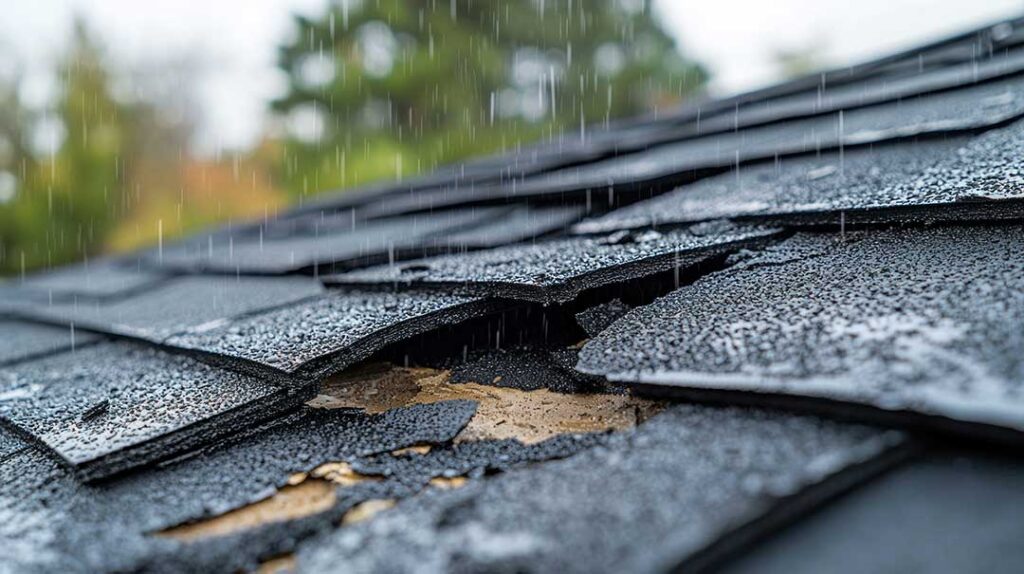
What do shingle curling and cracking mean?
Shingle curling happens when the edges or corners of asphalt shingles lift, bend, or roll upward. Cracking appears as splits across the shingle surface, often running vertically or along the edges. Both conditions can reduce a roof’s ability to shed water and may signal that the roofing material is aging or under stress.
Curling and cracking do not always mean the entire roof is failing immediately. A few damaged shingles may be limited to one area, while widespread problems usually point to age, installation issues, ventilation concerns, weather exposure, or a combination of factors.
For homes in Flint, changing seasons can be hard on roofing materials. Repeated freezing, thawing, summer heat, wind, snow, and ice can cause shingles to expand and contract over time.
How can you tell whether shingles are curling?
Curling is easiest to see from the ground with binoculars or from a safe location near the roof edge. Common signs include:
- Corners that turn upward
- Shingle edges that appear wavy or rolled
- Tabs that no longer lie flat
- Areas where shingles seem to lift after windy weather
- Exposed nail heads or gaps between shingle courses
- Granules collecting heavily in gutters
Curling may affect only a few shingles, especially around roof edges, valleys, chimneys, or areas with strong sun exposure. If many shingles are curling across several roof slopes, the problem is more likely related to overall material age, ventilation, or installation.
A shingle that lifts temporarily after high wind is not necessarily the same as long-term curling. Wind-lifted shingles may have damaged adhesive strips or loose fasteners, while aged shingles often remain permanently distorted.
What causes asphalt shingles to crack?
Cracking occurs when the asphalt material becomes brittle or repeatedly moves under changing temperatures. Common causes include:
Normal aging
Asphalt shingles gradually lose flexibility. After many years of sun, heat, cold, and moisture exposure, the surface can become less able to expand and contract without splitting.
Temperature changes
Winter freezing and summer warming create repeated movement in the roof covering. In Flint, this seasonal cycling can be especially noticeable on older roofs or roofs with poor airflow beneath the shingles.
Manufacturing or material problems
Some shingles may develop premature cracking because of defects, inconsistent material quality, or an unsuitable product for the roof design. Cracks that appear early and across many shingles deserve closer evaluation.
Improper installation
Shingles installed too tightly, fastened incorrectly, or placed over an uneven surface may not move as intended. Poor alignment, exposed fasteners, and inadequate sealing can also make damage more likely.
Roof movement
The roof deck can shift slightly as framing responds to moisture and temperature changes. If the underlying deck is uneven, deteriorated, or poorly supported, shingles may crack above those areas.
Are curled or cracked shingles an emergency?
Usually, isolated curling or cracking is not an immediate emergency, but it should not be ignored. The urgency increases when damaged shingles are accompanied by active leaking, missing sections, exposed underlayment, or visible water staining.
More urgent warning signs include:
- Water marks on ceilings or upper walls
- Damp insulation in an attic
- Daylight visible through the roof deck
- Shingles missing after wind
- Large sections of exposed roofing felt
- Sagging areas on the roof
- Water entering around a chimney, vent, or roof penetration
A roof can leak without showing a stain indoors. Water may travel along rafters, decking, insulation, or wall cavities before becoming visible. For that reason, exterior damage deserves attention even if the attic and ceilings appear dry.
Can curled shingles be repaired?
A small number of curled shingles may be repairable if the surrounding roof is still in good condition. A limited repair may involve carefully securing a lifted shingle, replacing damaged fasteners, or replacing individual shingles that are cracked or missing.
Repair becomes less practical when the shingles are brittle, the adhesive no longer works, or neighboring shingles break during handling. Matching can also be difficult if the existing roof has faded or the original product is no longer available.
Applying roofing cement over every curled edge is not a reliable long-term solution. Excessive cement can trap moisture, create an uneven surface, and make future repairs more difficult. It may also hide damage without correcting the underlying cause.
When does curling or cracking indicate replacement?
Replacement is more likely to be appropriate when damage is widespread, recurring, or combined with other signs of aging. Important factors include:
- The approximate age of the roof
- The number of affected shingles
- Whether damage appears on multiple roof slopes
- The condition of flashing, vents, valleys, and drip edges
- Whether the shingle seal strips are still bonding
- Evidence of leaks or deteriorated decking
- The history of wind, ice, and storm exposure
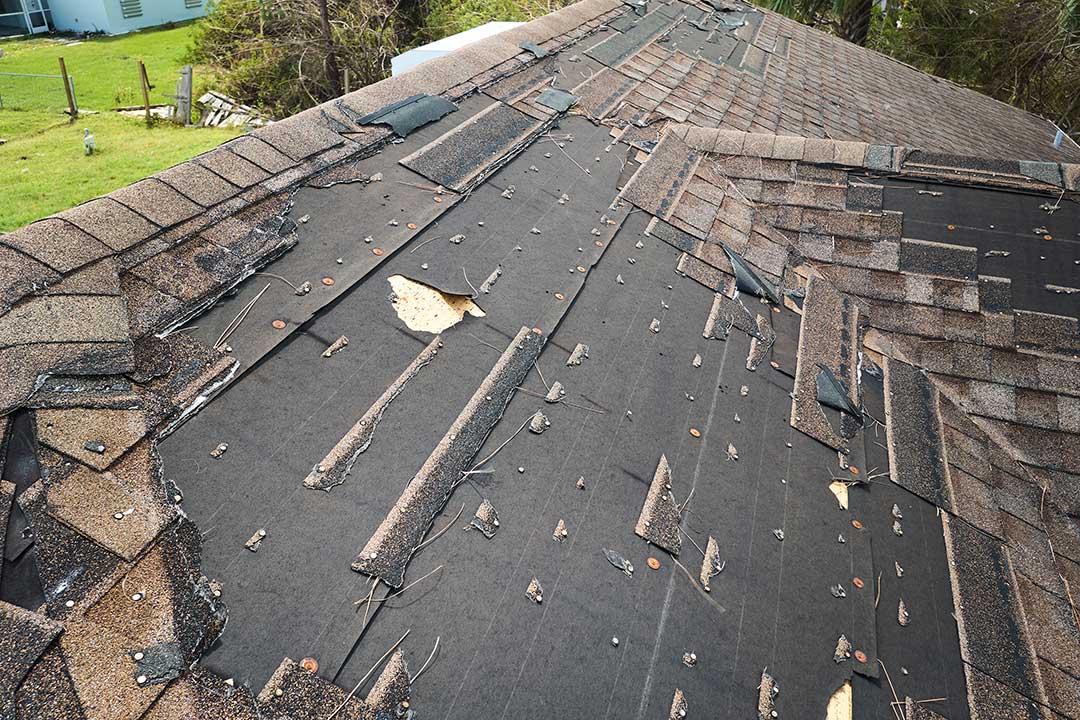
A roof with a few isolated defects may have useful service life remaining. A roof with widespread curling, brittle shingles, missing granules, exposed fiberglass mat, and repeated leaks is less likely to benefit from scattered repairs.
Roof age alone is not enough to make a decision. Two roofs of the same age can perform differently because of attic ventilation, shade, installation quality, roof pitch, material type, and maintenance history.
How does attic ventilation affect shingle life?
Proper attic ventilation helps reduce excessive heat and moisture beneath the roof deck. It does not prevent all roofing problems, but poor airflow can contribute to premature aging, especially when warm, moist air remains trapped in the attic.
Possible signs of attic ventilation or moisture concerns include:
- Frost or dampness on roof framing during winter
- Mold-like staining on wood surfaces
- Rusted nails or metal components
- Condensation around roof penetrations
- Excessive heat in the attic during summer
- Uneven roof aging between different slopes
Ventilation must work with adequate insulation and air sealing. Adding vents without addressing blocked airflow or indoor moisture may not solve the problem. Bathroom and kitchen exhaust should also discharge outdoors rather than into the attic.
What should Flint homeowners check after winter?
After snow, ice, and freeze-thaw cycles, inspect the roof from the ground and check the attic if it is safely accessible. Look for missing or shifted shingles, lifted flashing, granules in gutters, and water marks around roof penetrations.
Do not climb onto a roof that is wet, icy, steep, or visibly unstable. Walking on brittle shingles can break them, and stepping in the wrong location can damage flashing or loosen roofing material.
Inside the attic, look for damp insulation, stained wood, or small pinpoints of daylight. A flashlight can help identify changes, but daylight near a designed vent opening is different from daylight coming through the roof covering.
How can further shingle damage be limited?
Routine observation helps catch problems before water enters the structure. Keep gutters and downspouts clear so water does not back up beneath roof edges. Trim branches that scrape against shingles, and remove leaves that remain trapped in roof valleys.
Avoid pressure washing shingles, scraping them aggressively, or applying coatings not designed for the existing roofing material. These actions can remove protective granules or conceal damage.
After severe wind or hail, inspect the property from the ground and review the attic for signs of moisture. Prompt attention to a small opening is generally less disruptive than waiting until repeated wetting damages insulation, decking, or interior finishes.
What is the most practical next step?
Start by documenting the location and extent of the damage with clear ground-level photographs. Note whether the problem is limited to one area or appears across the entire roof, and record any indoor moisture signs after rain or thawing conditions.
The key question is not simply whether a shingle is curled or cracked. It is whether the damage is isolated and repairable, or whether it reflects a broader decline in the roofing system. That distinction depends on the roof’s age, installation, ventilation, flashing, deck condition, and exposure to Flint’s seasonal weather.