

 See My Latest Article on HelloNation
Why Do Roof Inspections Matter in Flint, MI?
A thorough roof inspection helps homeowners in Flint catch small problems before they turn into expensive repairs. The city’s mix of snow, rain, ice, and summer heat can challenge roofing materials, making regular checks even more significant for maintaining safe and durable homes.
Roofs in the community deal with ice dams, clogged gutters from autumn leaves, freeze-thaw cycles, and the wear and tear of older housing stock. These factors make periodic inspections worthwhile, especially after major storms or as homes age.
What Does a Typical Roof Inspection Involve?
A standard inspection includes an exterior and, sometimes, interior review. The inspector looks for visible signs of wear, water intrusion, and potential weaknesses, specific to the climate challenges of Flint. This process usually takes one to two hours for most single-family homes.
Inspections generally include:
- Evaluating shingle condition and looking for missing, damaged, or curling pieces
- Checking flashing around chimneys, skylights, and vents for gaps or rust
- Inspecting gutters and downspouts for clogs, sagging, or granule buildup
- Looking for moss or algae growth, which can be common in shaded, moist areas
- Assessing attic spaces for insulation issues, leaks, or signs of mold
How Do Inspectors Access the Roof and What Tools Are Used?
Inspectors typically use ladders to access the roof or perform visual inspections from the ground using binoculars where safety is a concern. For higher or steeper roofs, drones may be used for aerial photos, but hands-on evaluation is still preferred when possible.
Common tools include:
- Flashlights to check interior spaces for moisture or light intrusion
- Moisture meters to detect hidden water damage
- Cameras for documenting issues and creating reports
What Are Signs of Roof Damage Commonly Identified?
The most common issues seen on homes in this area include:
- Ice dam residue along eaves after winter, leaving behind water stains or damaged shingles
- Hail or storm damage, often visible as dents or missing granules on shingles
- Blocked or overflowing gutters leading to fascia or siding damage
- Small punctures, split shingles, or lifted roofing in spots frequented by wind
Inspectors also check for:
- Sagging areas that may indicate underlying structural deterioration
- Soft spots underfoot, suggesting water damage to decking or supports
- Improperly vented attics risk higher moisture and heat buildup, visible through mold growth or rusty nails
What Should Residents Do Before an Inspection?
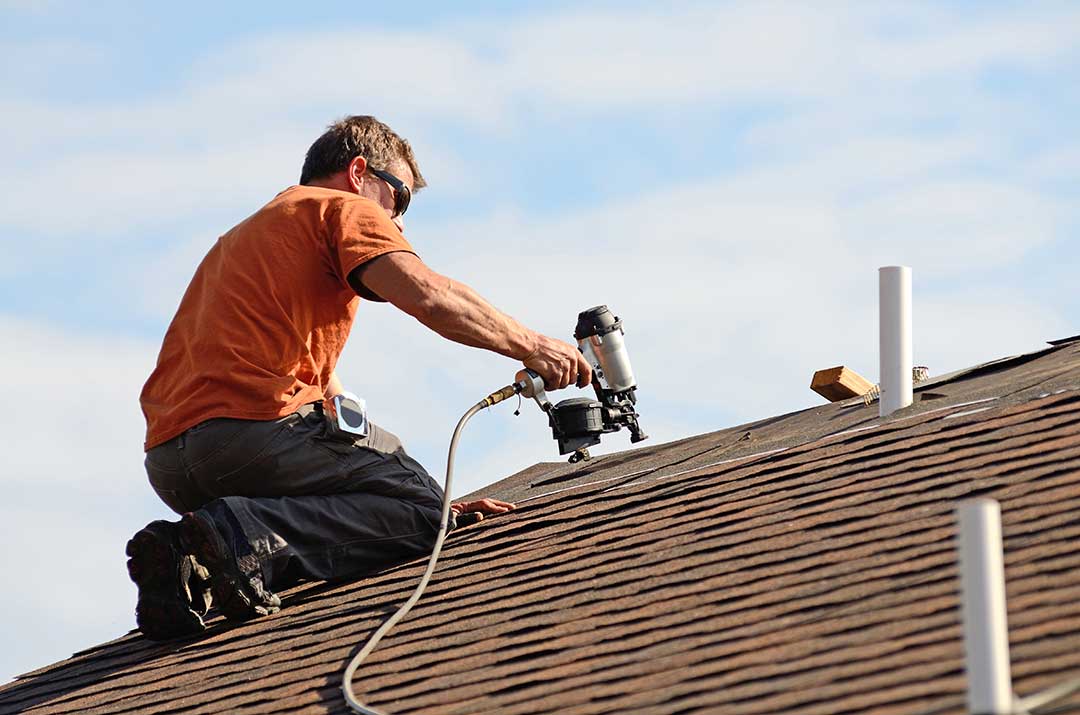
Residents usually do not need to prepare extensively, but making the roof and attic accessible helps the process go smoothly. Moving vehicles or objects that block ladder placement, and ensuring pets remain indoors, can save time. If the attic is part of the inspection, clearing storage boxes or obstacles gives the inspector room to work.
What Happens After the Inspection?
Afterward, the inspector provides a written assessment with findings, photos, and recommendations. This objective report helps homeowners understand current roof condition, necessary repairs, and areas to monitor.
Questions commonly answered in the report include:
- Is immediate repair needed or can issues wait?
- Are there maintenance steps residents can handle themselves, such as clearing gutters?
- How long might the roof last in its present state, given typical Flint weather patterns?
Clear documentation of deficiencies—like developing leaks, loose shingles, or worn flashing—helps area residents plan maintenance or budget for future roof work.
Are Interior Inspections Always Included?
An interior review is not always part of the standard inspection, but it may be necessary if there are signs of leaks or if the home has a history of moisture problems. Inspecting the attic and upper ceilings can reveal hidden water entry or insulation gaps difficult to spot from the outside.
Homeowners sometimes overlook this step, but it’s one of the best ways to catch problems early, particularly in the city’s older homes, where ventilation and insulation can vary.
Common Misconceptions About Roof Inspections
Many assume that only new or visibly damaged roofs need inspection. In reality, routine checks—every few years or after major weather events—are recommended even for seemingly “healthy” roofs. Another misconception is thinking only exterior surfaces matter, when attic and ceiling reviews are equally important for spotting leaks early.
Finally, some believe that all inspections look the same. Local professionals adapt their approach based on home architecture, roofing material, and past weather events typical to the region.
What Can Residents Do Between Inspections?
Between formal inspections, local homeowners can:
- Safely check for shingles in the yard after windstorms
- Keep gutters and downspouts clear, particularly in fall
- Look for damp spots, stains, or peeling paint on upper-floor ceilings
- Note ice buildup or icicles around the roofline in winter
These small, regular checks help prevent surprises and make professional inspections more valuable by catching subtle changes over time.