

 See My Latest Article on HelloNation
How Does Your Roof Impact Energy Efficiency?
The roof plays a major role in how much heat is lost or gained inside homes throughout Flint, MI’s changing seasons. The type, color, condition, and insulation of a roof all influence home heating and cooling needs. Efficient roofing helps keep homes warmer during cold winters and cooler when summer temperatures climb, reducing stress on furnaces and air conditioners.
In this area, where winters are snowy and often extreme while summers can approach 90 degrees, local roofs must handle big temperature swings. Gaps, poor insulation, or materials that absorb too much heat can drive up energy costs for many households.
Which Roofing Materials Offer the Best Efficiency Locally?
The energy performance of roof materials varies. Some reflect sunlight, some retain heat, and others can insulate against the cold.
- Asphalt Shingles: Very common, but standard options often absorb heat. Newer versions are available with reflective granules to repel some solar energy.
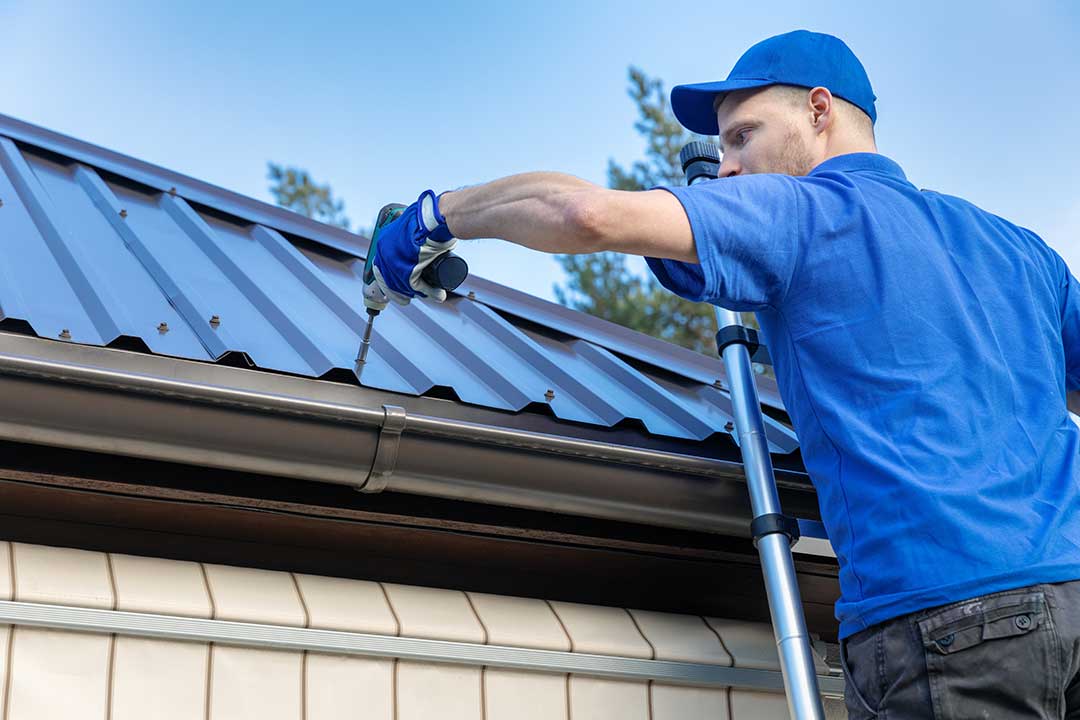
- Metal Roofing: Metal reflects sunlight well and sheds snow efficiently, helping reduce summer heat gain and ice dam formation in winter.
- Clay and Concrete Tiles: Less common but sometimes seen on older or custom homes, these can insulate well, though their weight and cost make them rare in local construction.
- Cool Roofs: Designed to reflect more solar radiation and release absorbed heat quickly. While popular in sunny regions, some energy-efficient designs are adapted for colder climates, too.
It’s important to match roofing choices to Flint’s frequent snow, ice, and freeze-thaw cycles—choosing materials that won’t crack, warp, or lose granules with age and temperature changes.
What Role Does Insulation Play?
Proper roof and attic insulation significantly reduces heat loss in the winter and heat gain in the summer. In Flint, homes lose much energy through poorly insulated attics or old, thin insulation that has compressed or shifted.
A well-insulated attic:
- Reduces drafts and uneven temperatures
- Minimizes ice dam formation by keeping roof temperatures more stable
- Can pay off in lower heating bills over time, especially for older homes with minimal original insulation
Local building codes and weatherization assistance programs often recommend insulation levels based on Michigan’s climate zone. Residents can check their attic insulation thickness and consider upgrades, particularly before winter.
Does Roof Color Make a Difference in Energy Bills?
Color affects how much sunlight a roof absorbs or reflects.
- Darker roofs: Absorb more heat in the sun, which can help with winter warmth but may drive up cooling bills during hot spells.
- Lighter or reflective roofs: Help shed solar heat, making them favorable for homes that get hot in the summer or where air conditioning is a concern.
Area households that rarely use central air may prefer the traditional darker shades. Those adding air conditioning, re-roofing, or building additions can evaluate newer, lighter color options aimed at improved summer efficiency.
Can Ventilation Improve Efficiency?
Yes, roof and attic ventilation is key to:
- Preventing moisture buildup and mold growth
- Extending roof lifespan by reducing excess heat and humidity that shorten shingle life
- Helping insulation do its job by maintaining a balanced attic temperature
Balanced ridge and soffit vents, turbine vents, and attic fans are all options seen on homes in the community. Many older houses lack modern ventilation but can often be retrofitted to improve performance.
What Energy-Efficiency Mistakes Are Common in the Community?
Some frequent issues that may surprise local homeowners include:
- Blocked or painted-over attic vents, which trap heat and moisture
- Insulation stuffed into roof eaves, disrupting airflow rather than improving efficiency
- Using plastic sheeting directly under the roof deck, which can create condensation problems in Michigan’s climate
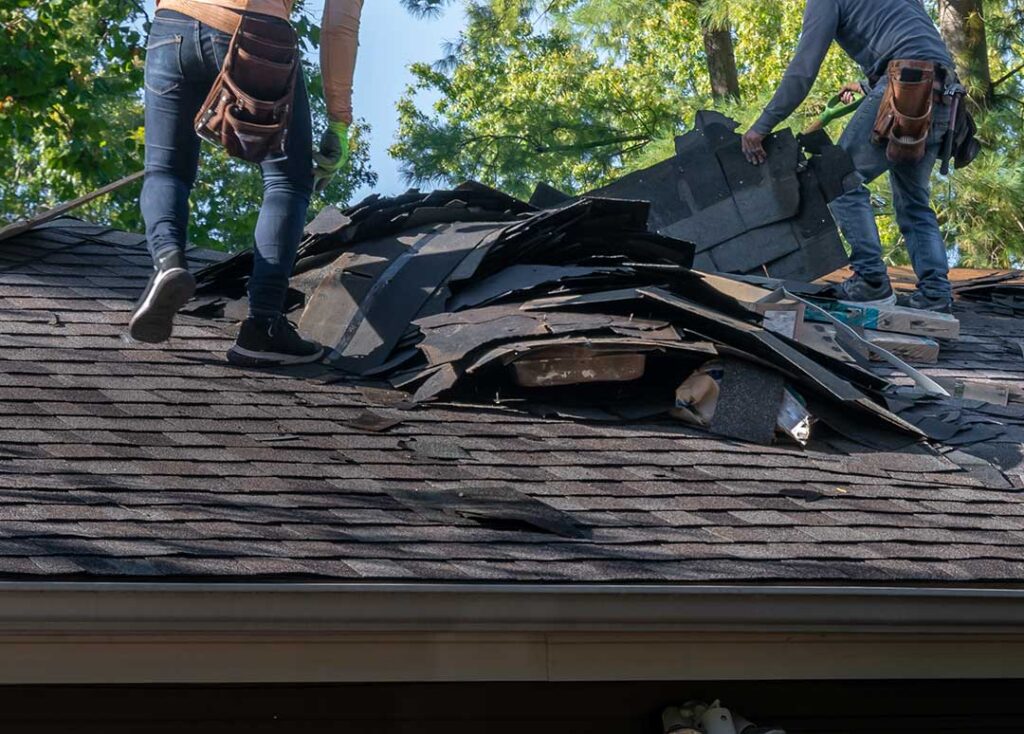
- Adding a second layer of shingles over old ones, making it harder for heat and moisture to escape
Addressing these missteps doesn’t always require a major renovation and can often be solved by clearing vents or re-installing insulation baffles.
How Can You Tell If Your Roof Is Affecting Energy Use?
Residents noticing high energy bills, cold spots, or excessive icicles in winter may have roofing issues.
Warning signs include:
- Large ice dams at the roof edge after a heavy snow
- Hot, stuffy attics in the summer despite running fans
- Uneven temperatures between rooms, especially upstairs and downstairs
- Roofs aging faster than expected (e.g., curling or cracking shingles)
Thermal cameras, sometimes available through local energy-efficiency programs, can reveal heat loss patterns for more precise diagnosis.
Are Solar Panels a Good Fit on Local Roofs?
Solar panels can improve energy efficiency, but only if the existing roof is in suitable condition and oriented for good sun exposure. Snow and cloudy winters limit yearly production compared to sunnier regions, but solar arrays can still offset electric heating or cooling needs. Before considering solar, area residents should check that the roofing itself is efficient and in good repair to avoid costly upgrades later.
How Does Roof Maintenance Support Efficiency?
Regular upkeep preserves roof energy performance. Clearing leaves, checking for shingle damage, inspecting flashing for leaks, and making sure gutters are draining all help prevent problems that lead to energy waste. Many local roofs benefit from twice-yearly inspections—once after winter and again after fall—to spot issues early.