

 See My Latest Article on HelloNation
Which Roofing Materials Are Most Common in Flint, MI?
Shingles made of asphalt, metal roofing, and newer composite materials are all frequently found in Flint, MI neighborhoods. Each option has particular strengths and drawbacks, especially when considering the local freeze-thaw cycles, summer humidity, and the age of much of the housing stock.
How Does Asphalt Shingle Roofing Hold Up in the Local Climate?
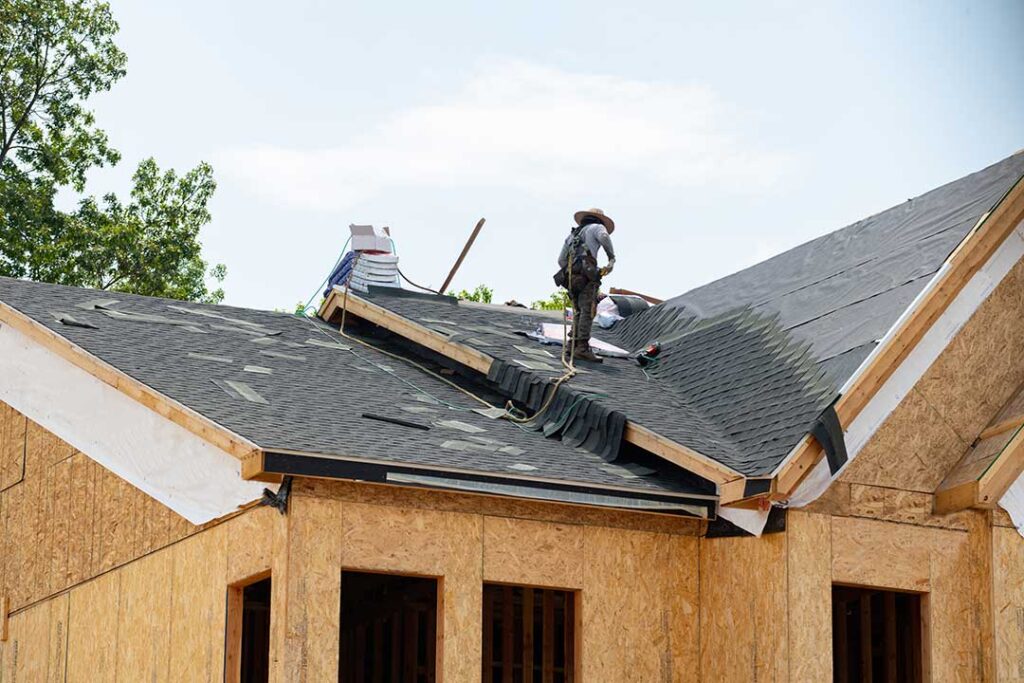
Asphalt shingles remain the leading choice for many area households because they are affordable and fit the character of Flint’s mix of older and newer homes. Their layered construction offers a reasonable barrier against wind, rain, and moderate hail.
- Pros: Low upfront cost, widely available, and straightforward installation, which can make repairs easier for long-term homeowners.
- Cons: Lifespan is typically 15-25 years under local conditions—less if exposed to frequent ice dams or intense summer sun. Shingles may blow off or deteriorate faster on aging roofs with ventilation issues.
It’s common to see neighborhoods where original asphalt roofs are replaced in sections, but some families are surprised by minor leaks after a hard winter, often due to missed granular loss or curling.
What Are the Advantages and Disadvantages of Metal Roofing in Our Area?
Metal roofing is increasingly considered by Flint residents who want durability and longevity, especially for historic or rural homes. Panels made from steel or aluminum can last 40-70 years if they are properly cared for.
- Pros: Exceptional resistance to heavy snow and ice, which can slide right off, helping reduce ice damming. Metal reflects sunlight and sheds water effectively. Some styles mimic shingles or shakes, fitting in with diverse architecture.
- Cons: Metal roofs can be noisy during rain or hail unless installed with additional insulation. The initial cost is higher than asphalt, and repair of dents from tree limbs or hail may not always match the original finish.
A common misconception is that metal roofs are always "loud"—in reality, attic insulation in many Flint homes already dampens much of this effect, and modern panels include sound-deadening layers.
Are Wood Shakes or Shingles a Practical Choice for Flint Residents?
Wood roofing provides a distinct, classic appearance but comes with maintenance challenges around the city’s weather and heating patterns.
- Pros: Natural insulation properties and traditional curb appeal, especially on older, established homes.
- Cons: Wood is prone to moss, algae, and moisture damage, particularly during damp seasons. Local building codes may require additional fire-retardant treatment. Lifespan can be limited without dedicated annual upkeep.
Flint’s variable weather makes untreated wood roofs risky, and some neighborhoods have seen insurance limitations placed on homes with untreated wood shakes due to fire and weather exposure.
How Do Slate and Tile Roofs Perform in Flint’s Seasonal Climate?
Slate and tile create a premium look and can last for generations, but their weight and cost are significant considerations for most homes in the city.
- Pros: Outstanding lifespan–up to a century–and strong resistance to rot and insects. Slate, especially, can weather decades of Michigan snow and temperature swings.
- Cons: Material and installation costs are high. Roof framing often must be reinforced to bear the extra load, especially on houses built before 1960. Repairs require specialized labor and hard-to-match materials.
These options are rare in Flint largely due to cost and the structural demands, though some historic homes and restored properties might feature them.
Are Synthetic or Composite Roofing Materials a Good Solution for Local Homes?
Engineered roofing materials, such as plastic-composite shingles or rubber slates, are becoming more common around Flint as homeowners look for alternatives to traditional options.
- Pros: Designed to imitate natural products while being lighter and more weather-resistant. Many are installed with warranties that address common local concerns such as wind damage and freeze-thaw cracking.
- Cons: Upfront cost may be close to that of metal roofs. Not all products have a proven long-term record in Michigan’s climate, and appearance can vary in realism and fade resistance.
Many local residents assume composites are always maintenance-free. In reality, regular inspection is still needed to address occasional lifting or fading over time.
What Should Flint Residents Consider When Choosing Roofing Materials?
Different homes, budgets, and maintenance preferences mean the best material choice varies widely throughout Flint. Considerations include:
- How well the material resists ice, snow, and temperature swings (which are all common locally)
- The architectural style and structural capacity of the home
- Expected lifespan versus total cost over time
- Insurance requirements or local building codes
It's also worth remembering that some neighborhoods prefer materials that match historic or original appearances, so checking local guidelines or homeowner preferences can avoid headaches later.
Are There Misconceptions About What’s Best for Local Homes?
A frequent misconception is that the highest upfront cost always means the longest lifespan. While metal or slate can be a lifelong investment, installation quality, roof pitch, and attic insulation play an equally important role in longevity, regardless of the material.
Another overlooked factor is how minor water leaks or early signs of curling or rust can be missed for years beneath snow or leaves. Regular, simple inspections in early spring and late fall head off many expensive surprises.