
 See My Latest Article on HelloNation
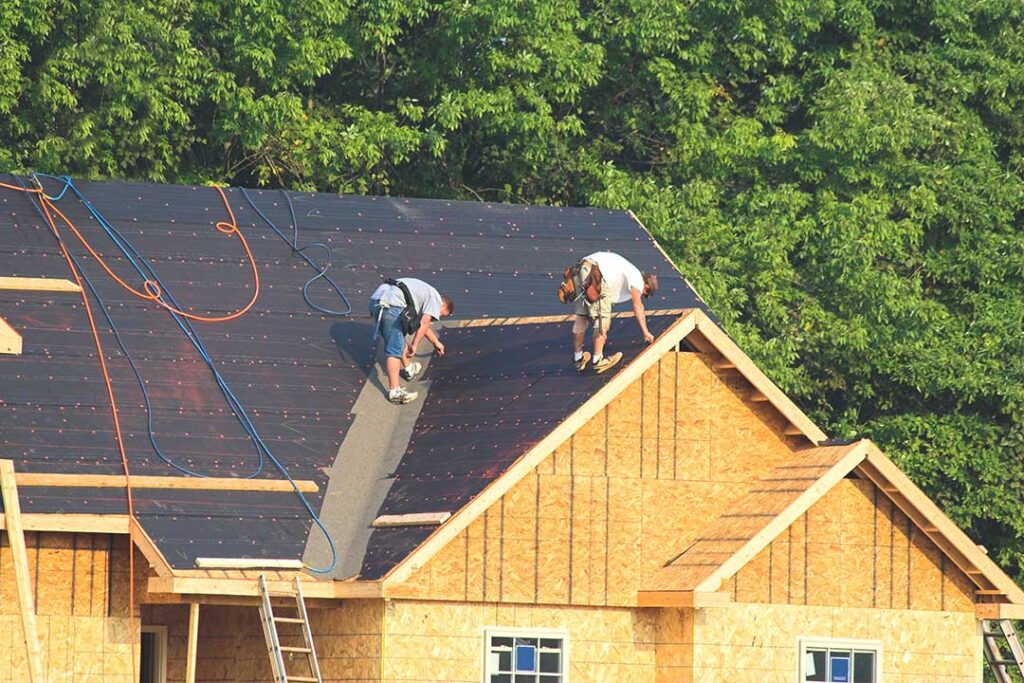
Storm damage is not always obvious from the ground. After high winds, heavy rain, hail, or a fallen branch, a roof may look intact while water is entering beneath shingles, around flashing, or through attic vents. A careful inspection from the ground and inside the home can help identify problems early without creating additional safety risks.
What should be checked first after a storm?
Start with personal safety, then inspect the property from the ground. Do not climb onto a wet, steep, icy, or visibly damaged roof.
Before walking around the property, look for:
- Downed power lines or electrical equipment
- Broken branches hanging above the roof
- Loose roofing materials on the ground
- Standing water near electrical components
- Sagging areas on the roof or ceiling
- Unstable ladders, porches, or deck surfaces
In Flint, MI, storm conditions can include strong summer wind, hail, heavy rain, and winter weather that adds snow or ice to an already stressed roof. Wait until conditions are dry and daylight is available. If power lines are down, stay away from them and keep children and pets clear of the area.
How can roof damage be spotted from the ground?
A ground-level inspection is often enough to identify signs that deserve closer attention. Walk around the home and view each roof slope from several angles.
Look for:
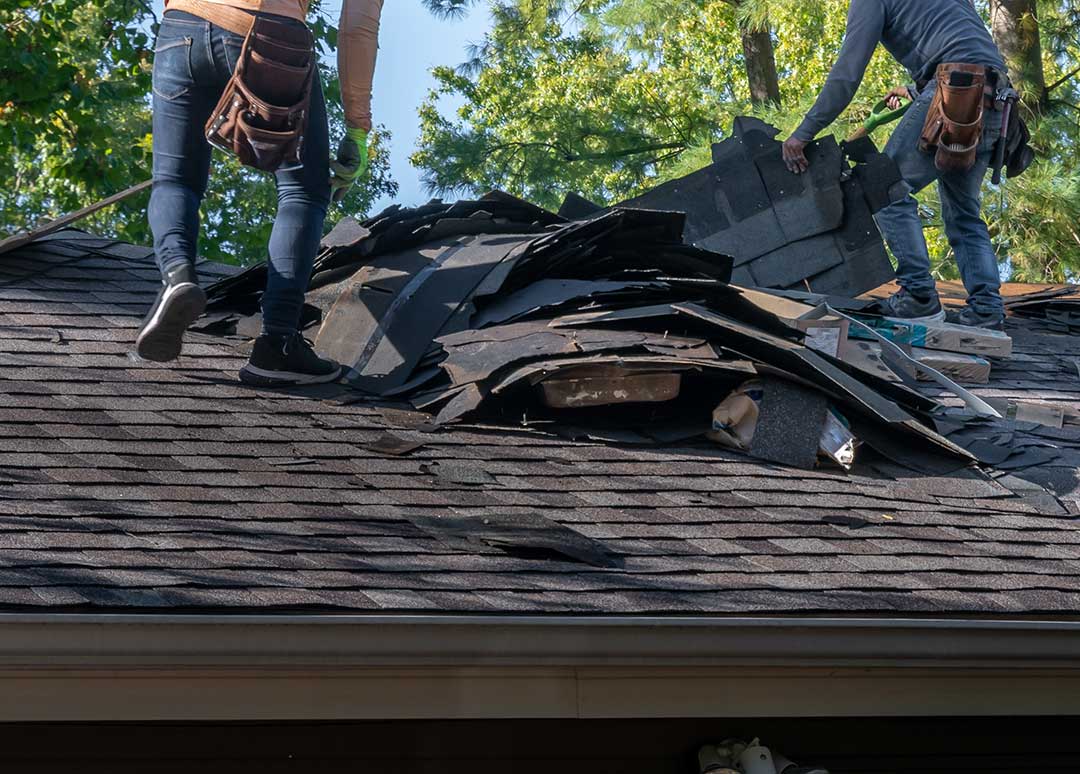
- Shingles that are missing, lifted, curled, cracked, or lying in the yard
- Dark patches where surface granules have been stripped away
- Exposed underlayment, wood, or fasteners
- Damaged or detached ridge caps
- Bent or loose metal flashing around chimneys, vents, and roof edges
- Dented gutters, downspouts, or metal vents
- Tree limbs resting on the roof
- Debris collected in valleys or behind rooftop equipment
- A roofline that appears uneven or sagging
Hail damage may be difficult to see from the ground. It can appear as scattered dents on shingles, vents, gutters, window screens, siding, or outdoor equipment. Dents in metal do not automatically prove that shingles are damaged, but they are a reason to inspect the roof more carefully.
A common misconception is that a few missing shingles are the only serious problem. Wind can also loosen nearby shingles without removing them completely. Lifted edges may allow rain to move beneath the roofing surface during the next storm.
What should be checked inside the attic?
The attic can reveal water entry that is not yet visible on ceilings. Use a flashlight and avoid stepping directly on insulation or areas without solid floor decking.
Check the underside of the roof sheathing for:
- Damp wood or active dripping
- Water stains or darkened areas
- Mold-like growth or musty odors
- Rusted nails or corroded metal fasteners
- Wet insulation
- Daylight visible through the roof
- Moisture around vents, chimneys, valleys, and roof penetrations
Water does not always appear directly below the exterior damage. It may travel along rafters, roof decking, insulation, or other building materials before becoming visible. For that reason, a ceiling stain inside a bedroom may originate several feet away on the roof.
If the attic is wet, place a container beneath a drip only if it can be done safely. Do not touch wet electrical wiring, light fixtures, or electrical equipment.
How can indoor rooms reveal storm damage?
Inspect ceilings, upper walls, closets, and rooms directly below the roof. New stains, bubbling paint, peeling drywall, or damp trim may indicate water intrusion.
Pay attention to:
- Brown, yellow, or gray ceiling marks
- Fresh discoloration around light fixtures
- Sagging drywall
- Peeling paint or wallpaper
- Damp insulation near attic access panels
- Wet walls around chimneys or upper-floor windows
- Drips that appear during or shortly after rainfall
A stain that dries does not mean the problem is resolved. Roofing materials and wood can retain moisture, and repeated wetting can lead to decay or indoor air-quality concerns. Mark the edge of a ceiling stain with a pencil and write the date beside it. This helps show whether it expands after additional rain.
What storm damage is easy to overlook?
Some problems are less visible but still worth checking.
Roof drainage is one example. Inspect gutters and downspouts for dents, separation, blockage, or sections pulled away from the house. A damaged gutter may allow water to run down siding, collect near the foundation, or back up beneath the roof edge.
Check attic and roof ventilation components as well. A displaced vent cover, damaged pipe boot, or loose flashing collar can allow water to enter even when the surrounding shingles appear normal.
Also inspect nearby trees. Broken limbs may have scraped shingles, punctured the roof, or damaged flashing without falling completely. Branches rubbing against the roof can cause gradual wear that becomes worse during later wind.
Snow and ice can conceal damage during colder months. If a winter storm has passed, avoid pulling frozen materials from the roof. Removing ice or compacted snow with tools can damage shingles and create a falling-object hazard.
What should be done if water is entering the home?
If water is actively entering, protect the interior only when it is safe. Move furniture, electronics, and other belongings away from the affected area. Use containers to catch drips, and place towels around the area to reduce spreading water.
Do not:
- Walk on a sagging ceiling
- Stand beneath bulging drywall
- Touch wet electrical fixtures
- Use a ladder near electrical lines
- Cover a roof during high winds
- Climb onto the roof to place a tarp during unsafe conditions
A bulging ceiling may contain a significant amount of water and can collapse without warning. Keep people away from the area and address electrical hazards through appropriate emergency channels.
Temporary coverings should only be installed when the roof is stable, weather conditions are calm, and the work can be completed without climbing onto a dangerous surface. Improperly placed coverings can trap moisture or cause additional damage.
How should storm damage be documented?
Take photographs and notes before moving damaged materials, except where immediate action is needed for safety. Photograph the roof from the ground, fallen branches, damaged gutters, interior stains, attic conditions, and debris.
Useful records include:
- The date and approximate time of the storm
- The type of weather observed
- Locations of visible damage
- When leaks first appeared
- Whether the damage worsened after later rain
- Any temporary steps taken to protect the interior
Do not discard damaged roofing materials until documentation is complete. If an insurance claim may be involved, review the policy for notification deadlines, deductibles, and instructions about temporary repairs. Keep receipts for necessary materials used to prevent additional interior damage.
When is a roof inspection unsafe for a homeowner?
A homeowner should avoid climbing onto the roof when it is wet, icy, steep, damaged, or covered with debris. Extra caution is needed when there are power lines, unstable branches, soft decking, missing sections, or visible sagging.
A qualified roofing inspector is appropriate when damage cannot be safely evaluated from the ground or attic, especially after a tree impact, suspected structural damage, widespread shingle loss, or a leak near electrical components. Safety and accurate identification matter more than obtaining a quick visual check.
The most useful first inspection is usually simple: look from the ground, check the attic, inspect ceilings and upper walls, protect the interior from active leaks, and document what was found. These steps can help Flint households recognize problems before a small opening becomes extensive moisture damage.