

 See My Latest Article on HelloNation
Why Prioritize Regular Roof Maintenance in Flint, MI?
Routine roof upkeep can help prevent costly repairs and lengthen the life of common roofing found on Flint, MI homes. Seasonal temperature swings, strong winds, frequent freeze-thaw cycles, and lake-effect moisture all stress local roofs. Taking time to perform simple checks and maintenance can help area households avoid water leaks, ice dams, and early roofing replacement.
Most homeowners in the community can do much of this work safely from the ground or on a sturdy ladder, though anything involving steep pitches or unstable roofing should be left alone for safety.
How Can You Safely Inspect Your Roof?
A good inspection means catching issues early. For most, it’s possible to get a thorough look without stepping directly onto the roof.
Start by:
- Walking around your property with binoculars, noting missing, curling, or damaged shingles
- Looking for dark patches, moss, or lichen growth, especially after a wet spring
- Checking for sagging, dips, or uneven lines that could mean hidden structural problems
- Inspecting from inside the attic for signs of leaks: water stains, mold, or daylight peeking through
It’s best to do this twice a year—after winter’s thaw and at the height of summer—since both seasons push roofs to their limits in Flint.
What Steps Help Keep Roofs Clear of Debris?
Keeping roofs free of leaves, branches, and other debris is crucial, especially near older, tree-lined neighborhoods. Clogged debris can trap moisture and cause rot or promote ice dams in cold months.
Practical steps include:
- Using a roof rake or soft broom with an extension pole to gently clear leaves and pine needles
- Cleaning gutters and downspouts regularly to prevent water backup and ice damming
- Trimming tree limbs several feet back from the roof edge to cut down on clogging debris
It’s easy to underestimate how quickly organic matter accumulates—seasonal gutter cleaning is a routine many Flint residents swear by.
How Do You Address Small Roof Repairs Yourself?
Tackling minor fixes can delay larger problems if done properly and early. If you spot a single missing or cracked shingle and feel steady on a ladder, you can:
- Slide a flat pry bar under the damaged shingle to loosen it
- Gently remove nails and slip in a replacement shingle, securing with roofing nails
- Apply a small amount of roofing cement under shingle edges to seal against wind
Do this only if the area is easy to reach and the roof isn’t steep or slippery. Always prioritize safety—never attempt repairs in windy or wet conditions.
What’s Involved in Managing Roof Ventilation and Moisture?
Proper ventilation is key for local homes, especially during humid summers and icy winters. Poor airflow can lead to condensation, rot, or ice dams.
From inside the attic:
- Check that existing vents aren’t blocked by insulation or debris
- Look for musty odors or excessive dampness, which can signal clogged soffit vents
- Make sure insulation is even and not covering vent openings—an easy mistake during DIY attic projects
Improved airflow helps keep roofs dry and can prevent mold or mildew damage common after cold, damp winter months.
Can DIYers Handle Roof Moss and Algae Safely?
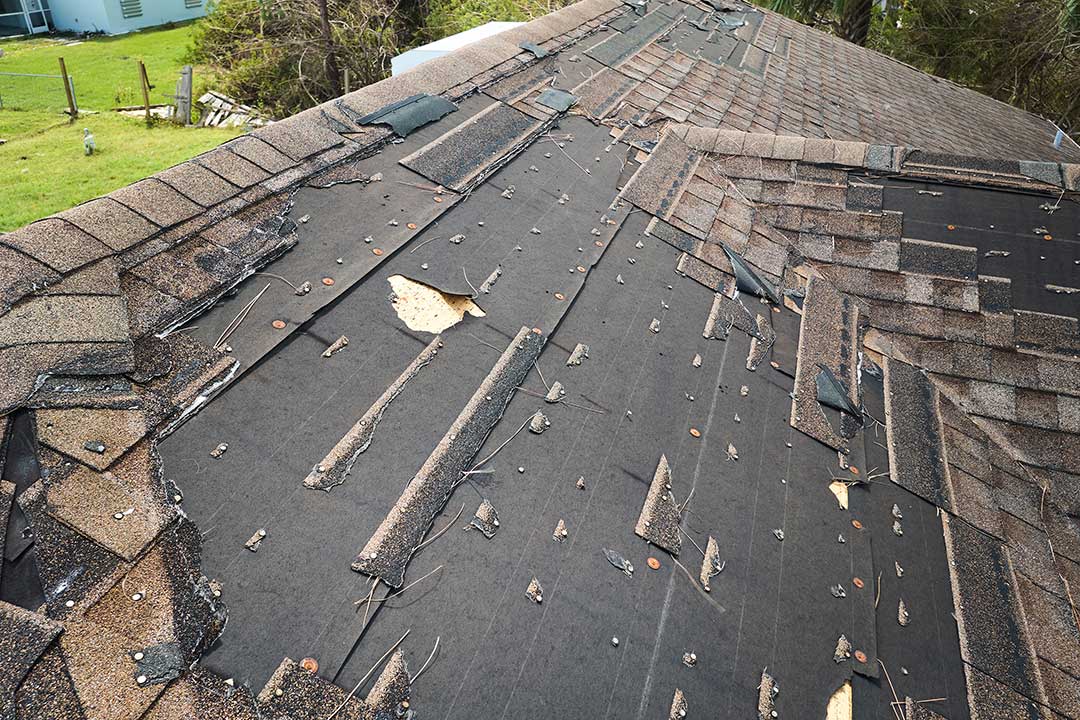
Moss and algae are not only unsightly but can trap moisture against shingles, hastening their breakdown. In the Flint climate, shady, damp roof sections are especially prone.
To clean:
- Use a soft-bristle brush to gently dislodge moss, brushing downward to avoid shingle damage
- Avoid pressure washers, bleach, or abrasive scrubbers, which can shorten roof lifespan or pollute local runoff
- Consider installing zinc or copper strips near the roof ridge—when rain hits the metal, it releases ions that inhibit moss growth
Ongoing monitoring is wise, especially if mature trees shade portions of the roof for much of the year.
Are There Specific Maintenance Tasks for Winter in Flint?
Yes—preparing for harsh winter conditions prevents problems like ice dams, which are notorious for causing water leaks in the city.
Focus on:
- Clearing gutters and downspouts after fall leaf drop so melting snow can drain freely
- Checking attic insulation and ventilation to maintain even roof temperatures
- Using a roof rake to carefully remove snow from eaves after heavy storms, if safe to reach from the ground
- Watching for icicles, which may signal hidden ice dams forming at the roof edge
Locals often overlook attic ventilation’s role in preventing winter water damage—a little preventive work here saves major headaches later.
What Roof Maintenance Tasks Should Be Avoided by Homeowners?
Some jobs are best left to trained professionals due to complexity or safety risks. This includes:
- Repairs involving large sections of missing shingles
- Anything on a steep, high, or wet roof where falls are possible
- Major leak detection where water is entering walls or ceilings
- Dealing with mold or suspected rot that extends beyond a small patch
For these situations, it’s safest to step back and seek guidance rather than risking injury or worsening hidden problems.