
 See My Latest Article on HelloNation
What Does Proper Roof Ventilation Mean?
Proper roof ventilation is the process of allowing controlled airflow through the attic or roof space. This involves both intake vents (usually placed along the soffits or eaves) and exhaust vents (commonly found at the ridge or high points of the roof). The goal is to create a continuous, gentle flow of air that exchanges warm, moist indoor air with fresh outdoor air.
In practice, this balanced ventilation helps moderate temperatures, reduce moisture buildup, and extend the life of roofing materials. Without it, attics can become too hot or too humid, leading to a range of issues for homes in Flint.
Why Is Proper Ventilation Especially Important in Flint, MI?
Recent climate data show Flint experiences cold, snowy winters and humid summers. Local homes often face weather extremes—ranging from single-digit winter lows to summer heat waves. These fluctuations can put unique stress on roofing systems.
Ventilation helps manage these conditions in several ways:
- In winter, it reduces the risk of ice dams—heavy roof-edge ice buildups caused when warm attic air melts snow, which then refreezes at the eaves.
- In summer, it limits attic heat buildup, helping to keep indoor spaces cooler and reducing the strain on air conditioning.
- Year-round, steady ventilation can prevent excessive moisture, which protects wooden rafters, insulation, and the roof decking itself.
Neighborhoods in Flint often have older homes, many of which may not have been built with modern ventilation standards in mind. Upgrading or maintaining attic airflow is often more urgent in these residences.
How Does Poor Ventilation Cause Roof Damage?
When airflow is blocked or imbalanced, the consequences can affect the roof’s structure and the home’s interior:
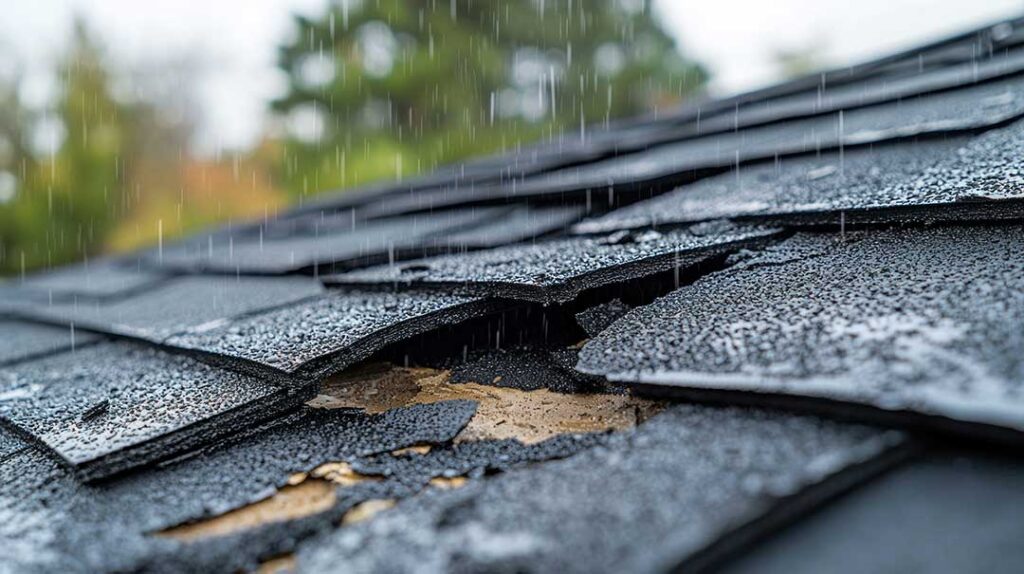
- Excess attic heat can cause roof shingles to age faster, curl, or become brittle.
- Moist air, common in poorly vented attics, allows condensation to form. Over time, this can weaken roof decking, rust nails, and support the growth of mold or mildew.
- Ice dams form as warmth from an under-ventilated attic melts snow, only for it to refreeze at the colder edges. This trapped water may seep under shingles, leading to leaks and interior ceiling damage.
- Insulation can lose its effectiveness if it gets damp, making it harder to maintain comfortable temperatures in living spaces.
These problems are often first noticed as peeling paint near the roofline, musty smells in upper rooms, or damp patches on attic wood.
What Are Signs of Inadequate Attic Ventilation?
Residents may miss subtle clues until serious damage has occurred. Some everyday signs include:
- Ice dams or large icicles forming along roof eaves in the winter
- High attic temperatures or stuffiness in summer
- Condensation or frost inside the attic, especially on rafters or nails
- Sagging or stained areas of roof decking visible from the attic
- Moldy odors or signs of mildew near the ceiling
Locally, homes with complex rooflines or numerous additions may experience ventilation challenges where air can't flow freely from intake to exhaust vents.
How Much Ventilation Does a Flint Home Typically Need?
General residential standards recommend providing one square foot of net free vent area (NFVA) for every 300 square feet of attic floor space, split evenly between intake and exhaust vents. However, local factors can influence this calculation. For example:
- Older homes with dense insulation may need more airflow to compensate for tighter ceilings.
- Roofs with heavy snow loads should maintain strong minimum airflow to prevent ice dams—without making attics too cold or drafty.
- Homes surrounded by mature trees may experience debris blockages in soffit vents, reducing intake effectiveness and requiring regular inspection.
Balancing these needs without over-ventilating (which can waste energy or cause drafts) is key for Flint households.
What Kinds of Vents Are Common in Flint Homes?
Area roofs commonly feature a mix of vent types:
- Soffit vents (at eaves or in the overhangs) allow cool air entry.
- Ridge vents (at the roof’s peak) provide exhaust for warm, moist air.
- Gable vents are found in the walls of attics with steeply pitched roofs.
- Roof louvers, turbines, or powered roof fans sometimes supplement air movement.

Each option fits different home designs or attic layouts. Checking that intake and exhaust are balanced is more important than the specific type.
Does Roof Ventilation Affect Energy Costs?
Adequate ventilation moderates attic temperatures, which can lower winter heating and summer cooling bills. For example:
- In summer, a well-vented roof can lower attic temperatures by 10–15°F, so less heat radiates into upper living spaces.
- Preventing insulation from becoming damp ensures it maintains its intended R-value, providing effective thermal protection.
- By cutting the likelihood of moisture-related repairs, proper ventilation can lead to lower long-term maintenance costs.
It’s a common misconception that more ventilation always means better energy efficiency. Over-ventilating can cause heat loss in winter, so the correct balance matters.
What Seasonal Maintenance Should Be Done?
Local families can improve roof and attic airflow with these routine habits:
- Check attic and roof vents every spring and autumn for blockages by leaves, nests, or insulation.
- Remove stored belongings that may block vents inside the attic.
- If adding insulation, ensure baffles or chutes keep soffit vents open.
- After heavy snow, keep an eye on signs of ice dams, as they may indicate hidden ventilation issues.
Cold snaps, heavy snowstorms, or wind events can sometimes shift insulation or debris, requiring an extra check.
Are There Common Misconceptions About Ventilation?
Several myths persist in home maintenance discussions:
- Many assume that attic vents will make homes colder in winter; in reality, good airflow prevents ice dams and maintains roof health without excessive heat loss.
- Others believe small homes or bungalows do not need as much ventilation, but even compact residences in Flint’s neighborhoods require appropriate airflow.
- Not all visible vents mean a balanced system—sometimes, attic airflow is blocked by insulation or poorly arranged vent placement.
A home doesn’t necessarily need both powered fans and passive vents; often, passive options are sufficient if installed in the right locations and kept clear.
Summary
Proper roof ventilation protects homes in Flint from extreme temperatures, prevents expensive roof and interior repairs, and supports comfort throughout the seasons. Regular checks and awareness of climate-related risks can help residents recognize and address issues early, keeping homes safe, dry, and energy efficient for years to come.