

 See My Latest Article on HelloNation

Why Are Roof Inspections Essential for Residents in Flint, MI?
Roof inspections help area homeowners avoid costly surprises by catching small issues before they become bigger problems. The city’s mixed climate—icy winters, summer storms, and late fall winds—creates specific stressors on residential roofs, including frequent freeze-thaw cycles, windblown debris, and occasional hail. Regular checks can help identify minor damage, leaks, or wear that could lead to water entry, energy loss, or even structural decay if left unaddressed.
For the community, where many homes are older and might not have had recent upgrades, an annual roof inspection is a practical way to maintain property value, ensure safety, and prevent moisture problems common in homes that have aged chimneys or ventilation systems.
When Should a Roof Inspection Be Done in Flint?
The best timing depends on local weather patterns and roof age. Ideally, residents should plan for at least one roof inspection each year—spring or early summer is a practical season, after winter conditions but before peak storm activity. Additional checks may be needed:
- After a major windstorm or hail event
- If visible debris or tree branches have landed on the roof
- When evidence of water stains or interior leaks emerges, especially around attics and upper ceilings
Homes with older roofs—those more than 15 years old—or past repairs should be inspected more frequently, as materials naturally begin to break down under constant exposure to seasonal extremes.
What Does a Standard Roof Inspection Involve?
A typical inspection includes both an exterior and, if safely accessible, an interior review. While some tasks may require working from a ladder or on the roof, many checks can also be done from the ground.
Exterior checks may include:
- Looking for missing, cracked, curled, or loose shingles
- Examining flashing (thin metal strips) for gaps, rust, or damage, especially around chimneys and skylights
- Checking roof valleys and joints for debris accumulation and soft spots
- Inspecting gutters and downspouts for shingle granules or clogged channels
- Noting signs of moss, algae, or dark streaking that signal moisture retention
Interior checks (often from the attic or crawl space) involve:
- Checking for water stains, mold, or damp insulation
- Feeling for drafts or spotting daylight through the roof boards
- Listening for unexplained dripping sounds after rainfall
How Can Flint Homeowners Perform a Roof Check Safely?
Staying safe is the priority—falls are a real risk. For most residents, a visual inspection from the ground (using binoculars), along with attic checks, covers many potential issues. If comfortable and with stable conditions, using a sturdy ladder can help get a closer look at gutters, eaves, and lower roof slopes.
Never walk on icy, mossy, or wet roofing surfaces. If there’s visible sagging, extensive debris, or surfaces appear unstable, it’s best to avoid climbing or applying weight. Missing safety steps is a major source of injury, especially during the colder months when slipping hazards increase.
What Do Flint Residents Often Miss During Self-Inspections?
Several often-overlooked areas end up causing headaches later:
- Flashing problems: Even a minor gap or bent section can let water seep into the home, particularly near brick chimneys or older vent pipes.
- Gutter condition: Clearing leaves is just the start—looking for shingle granules, rust, or improper slope helps maintain drainage.
- Roof penetrations: Vents, satellite mounts, and small pipes are common leak sites, but may not draw attention unless inspected up close.
- Attic ventilation: Blocked vents or insulation covering airflow passages can trap moisture and introduce mold, especially in homes built before modern codes were adopted.
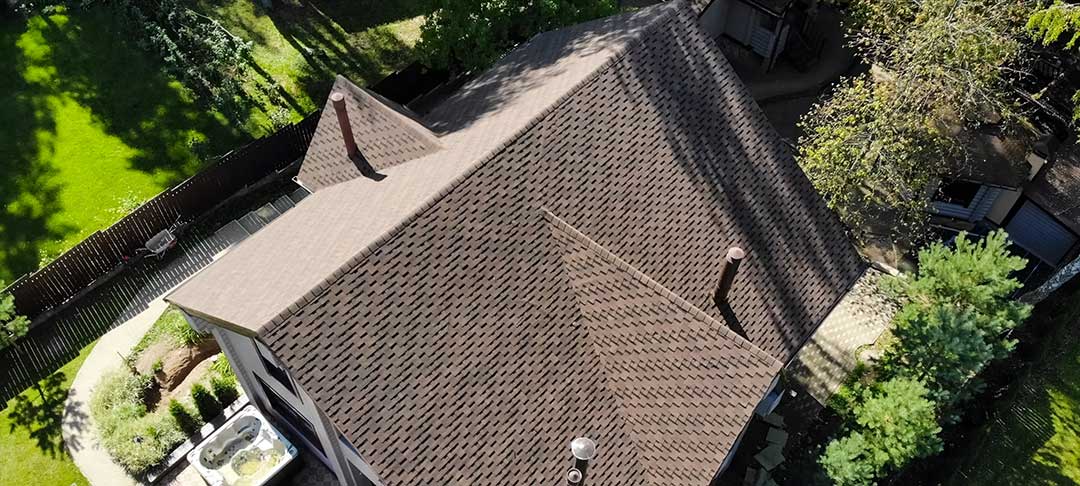
Common Misconceptions About Roof Inspections in the City
Many homeowners in the area believe that a roof only needs attention when a leak appears or during a sale. Unfortunately, waiting until water stains are visible usually means damage is already advanced. Another misconception: only shingled surfaces matter. In reality, problems often start at the seams—flashing, valleys, and around protrusions—rather than in the middle of open roof areas.
Some residents also assume newer roofs are worry-free. Even roofs less than five years old can suffer from wind damage, installation errors, or unexpected material flaws. An occasional check, even on newer homes, is a wise habit for city residents.
What Signs Signal a Need for Immediate Roof Attention?
Certain symptoms suggest the roof may be at risk:
- Sudden appearance of interior water stains, mold growth, or persistent odors after rain
- Noticeable dips or sags on visible rooflines
- Shingles that have shed large numbers of granules, appearing “bald” in spots
- Blistering, peeling, or cracked roofing materials
- Repeated ice dam formation, often seen as icicles or thick ice at the roof edge during winter thaw cycles
In these situations, delaying action increases the chances of structural or interior water damage.
Are There Local Factors Unique to Inspections in Flint?
The city’s mix of older housing stock, prominent trees, and freeze-thaw winters affects what homeowners should watch for. Tree limbs overhanging roofs are common here, leading to increased debris and risk of damage during storms. Homes built before the 1980s often have less-advanced underlayment or ventilation systems, making them more vulnerable to water entry and attic moisture.
Lake-effect weather can result in fast changes between snow and rain, testing roof waterproofing and flashing integrity. Additionally, local zoning or neighborhood associations might have specific requirements or recommendations related to roofing work, especially for homes in historic districts or near water sources.
How Can Residents Track Roof Condition Over Time?
Keeping a simple roof log—date of inspection, notes on issues found, photos of suspected trouble spots—is a practical way to monitor trends. After major storms or at each annual check, update the log. This helps spot repeat issues (like a recurring leak after eastern winds or melting snow) and supports future improvement decisions.
Taking photos from the same vantage point each time offers a visual record, making it easier to share accurate details if professional advice is ever required.