

 See My Latest Article on HelloNation

How Does Regular Roof Maintenance Protect Homes in Flint, MI?
Regular roof maintenance helps local residents extend the lifespan of their roofs and prevent costly repairs. In a climate like Flint, MI, with its seasonal weather shifts—ranging from heavy winter snowfall to spring rain and occasional high winds—roofs are exposed to constant wear. By spotting and dealing with minor issues early, area households can avoid larger structural problems caused by water leaks, shingle loss, or mold development.
Routine maintenance means inspecting for:
- Missing, cracked, or curled shingles
- Signs of water stains or dampness in the attic
- Blocked or damaged gutters
- Moss or algae growth
Catching small problems before they worsen helps maintain the safety and comfort of homes throughout the city.
What Problems Can Roof Maintenance Prevent in the City?
Checking the roof regularly reduces the likelihood of leaks, ice dams, and rot—conditions that become more common in Flint due to freezing winters and wet springs. Moisture trapped by old leaves, snow, or ice can seep beneath shingles, damaging insulation and interior ceilings.
Common risks minimized by maintenance include:
- Water intrusion from loose flashing or cracked shingles
- Gutter overflows leading to foundation damage
- Ice dams that force meltwater under shingles
Addressing these issues before they escalate protects not only the roof but also walls, ceilings, and even the home’s foundation from long-term damage.
Does Regular Maintenance Save Money Over Time?
Yes—routine checks and simple fixes are much cheaper than major repairs or a full roof replacement. Fixing a few loose shingles or resealing a flashing costs far less than repairing a roof cavity rotted out by an undetected leak. In Flint, older and historic homes are common, and small roof problems can sometimes go unnoticed due to attic construction or insulation. Preventive attention reduces the risk of expensive repairs and sudden emergencies, especially during storm season or spring thaw.
How Does Maintenance Help Prepare for Local Weather?
Proactive roof care allows Flint residents to get ready for the harsh weather that often arrives with little warning. Ensuring shingles and gutters are in good condition before the first snow or heavy rain of the season means a stronger line of defense against leaks and storm damage. Having clean gutters reduces the chance of ice dams and blocked drainage, both common problems in neighborhoods with mature trees.
Before winter, tasks might include:
- Removing fallen leaves from gutters
- Checking for missing or damaged shingles after summer storms
- Assessing attic ventilation, as poor airflow can contribute to ice dams
This preparation helps homes withstand changing weather and minimizes disruptions caused by sudden roof failures.
Why Is Roof Ventilation and Insulation Part of Maintenance?
Proper attic ventilation and insulation can go overlooked, but they are key aspects of a solid maintenance routine in Flint. Without enough airflow, heat from the house can cause roof snow to melt and refreeze at the eaves. This traps water and forms ice dams, putting extra stress on shingles. Meanwhile, poor insulation can let warm air escape, reducing energy efficiency and increasing heating costs during cold months.
Regular assessments ensure insulation and vents are not blocked by debris, nests, or stored attic items. This keeps attics dry and helps roofs shed snow more effectively.
Can Homeowners Handle Maintenance, or Is It Risky?
Homeowners can inspect their roofs from the ground for missing shingles, blocked gutters, or visible debris. Clearing small branches off the roof and cleaning low gutters are within reach for most area residents. However, climbing on steep, high, or icy roofs can be risky, especially during winter or after a storm. For concerns involving structural damage, suspected mold, or anything requiring roof access in poor weather, safety should come first—sometimes the risk isn’t worth it.
What Are Some Overlooked Parts of Good Roof Maintenance?
- Checking attic spaces for water stains or musty odors, which may suggest a leak
- Ensuring downspouts direct water several feet from the home’s foundation
- Looking for piles of granules at gutter downspouts, a sign asphalt shingles may be wearing out
- Watching for moss or algae accumulation on shaded roof areas—these can trap moisture and damage shingles
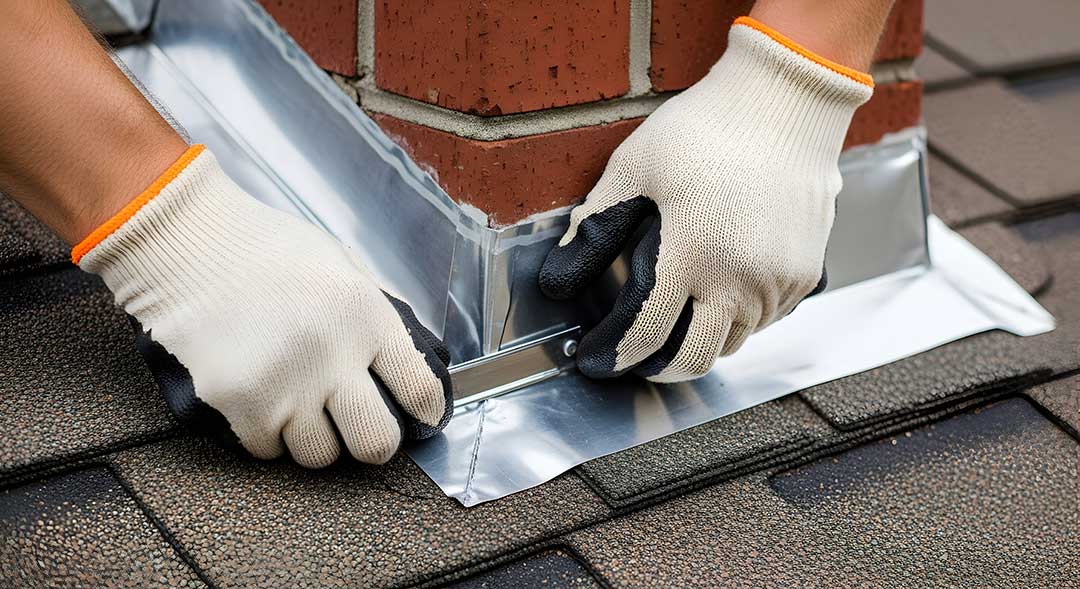
Many residents may forget to examine roof flashing around chimneys, vent pipes, or skylights; these areas are common leak sources, especially during freeze/thaw cycles.
How Often Should Flint Homeowners Inspect Their Roofs?
A thorough visual roof check at least twice a year—typically in spring after thaw and again in fall before heavy snows—is a reasonable guideline for the area. More frequent checks may be helpful after major windstorms or hail events, which sometimes hit neighborhoods in late summer or early fall. Staying observant and addressing small changes or new issues right away ensures that everyday upkeep remains simple rather than overwhelming.