
 See My Latest Article on HelloNation
What Happens When Tree Limbs Hang Over Roofs?
Overhanging tree limbs can have a direct and lasting impact on rooftops. This is especially relevant in Flint, MI, where many properties in older neighborhoods feature mature, established trees. While shade and greenery add charm, branches reaching over a home often create unexpected roofing concerns for area residents.
Limbs that regularly touch shingles or gutters cause slow, progressive damage rather than dramatic breakage. Even if large branches never fall, constant rubbing or dropping of debris leads to gradual wear. Local homeowners sometimes overlook these risks, believing that only major storms or falling trees require attention.
How Can Tree Limbs Damage Roofing Materials?
Repeated contact from twigs and branches may seem harmless, but it begins breaking down roofing surfaces over time. Shingles can lose their granules or develop weak spots where limbs brush during windy weather. In Flint’s climate, with frequent freeze-thaw cycles, these minor abrasions can widen and allow water to creep underneath.
Here are a few common outcomes:
- Granule loss from friction, shortening a shingle’s life
- tears or cracks in shingles, especially asphalt types
- Sharper branches puncturing roofing in high winds
- Edges of metal flashing bending or lifting after repeated impact
Even low-hanging but non-touching branches can drop debris that keeps roof surfaces moist, which compounds these effects.
Are Clogged Gutters and Downspouts Related?
Roofing problems rarely happen in isolation. In Flint, gutter clogs frequently trace back to tree limbs. Maple, oak, and sycamore trees common to city neighborhoods drop leaves, seeds, and twigs throughout the year.
When gutters fill up with organic debris, they overflow or back up into the roof edge. This can saturate wooden roof decking, fascia, and soffits, leading to rot or mold growth. Frozen gutter blockages in winter are especially challenging locally since thaw cycles can force water under shingles, causing leaks inside the attic.
Regular clearing of gutters, especially after autumn leaf drop, prevents build-up. Even homes with gutter guards or screens still require the occasional check, as fine twigs and seeds may accumulate in corners.
Can Overhanging Limbs Attract Animals and Insects?
Branches close to rooftops often serve as “bridges” for animals. Squirrels, raccoons, and birds use these pathways to reach roofs, especially in older neighborhoods with dense tree cover. Once on the roof, these animals can:
- Dislodge shingles or roofing nails
- Tear through vent screens
- Build nests near chimneys or inside gutters
Nesting material and droppings further introduce moisture and organic acids, accelerating shingle or flashing wear. Additionally, thick tree cover creates cool, damp zones where moss and algae thrive—common along north-facing slopes in the city.
Residents sometimes underestimate the effect of wildlife routes enabled by tree cover, but preventing easy roof access helps limit animal-related roofing concerns.
How Do Storms and Winter Weather Worsen the Effects?
Severe weather isn’t uncommon in Flint, especially with spring thunderstorms and winter ice events. During these times, tree limbs already close to the roof become hazardous.
Heavy snow and ice loads may cause branches to droop or snap. If hanging limbs are just above the shingles, even a minor branch weighed down by ice can gouge or puncture the roof surface.
High winds can whip untethered limbs against roofing, gutters, and siding, loosening components or tearing off protective materials. Fallen branches after a storm are a clear indicator of the risks posed even by healthy-looking trees.
What Preventive Actions Help Protect Roofs From Tree Limbs?
Maintaining a safe distance between trees and roofs reduces most of these issues. In Flint, MI, local guidelines typically suggest keeping branches trimmed back at least six to ten feet from the edge of the roof.
Homeowners often trim branches themselves with a pole saw or pruning shears, but care is necessary—heavy limbs can be unpredictable. For large, old trees or limbs over power lines, using professional tree services becomes a safety necessity, not just a convenience. Some neighborhoods or homeowner associations may even have requirements for vegetation control to prevent hazards during storms.
Other preventive steps include:
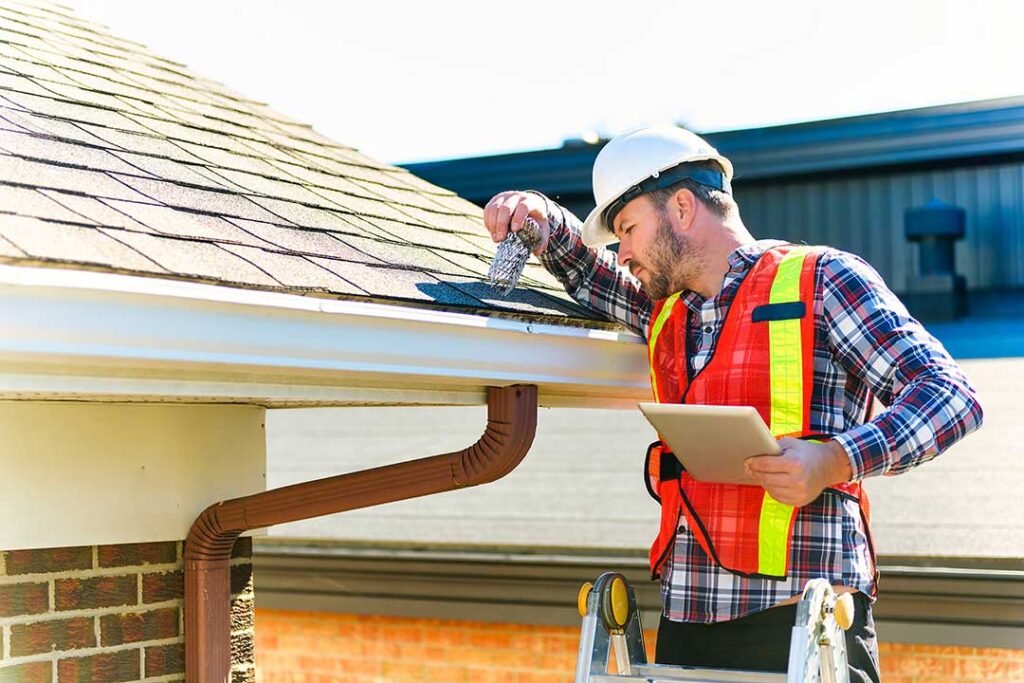
- Regular roof and gutter inspections, especially after storms or late autumn
- Checking the attic after heavy rainfall for signs of leaks near eaves
- Removing fallen leaves or limbs quickly to prevent moisture retention
Awareness and steady upkeep make a bigger impact than any one-time fix.
Are Any Roofing Problems Unique to Flint’s Local Conditions?
Many older homes in the city have steep-pitched roofs or dormers designed to shed snow, which helps reduce some moisture-related risks. However, the prevalence of large, mature street trees means even homes with newer roofing can’t ignore overhead vegetation.
Repeated freeze-thaw cycles create small openings along edges, while humid summers encourage moss, algae, and lichen growth if shade from overhanging limbs is present. Locally, roofing issues from trees often combine slowly developing leaks with sudden storm damage, so vigilance in all seasons is recommended.