
 See My Latest Article on HelloNation
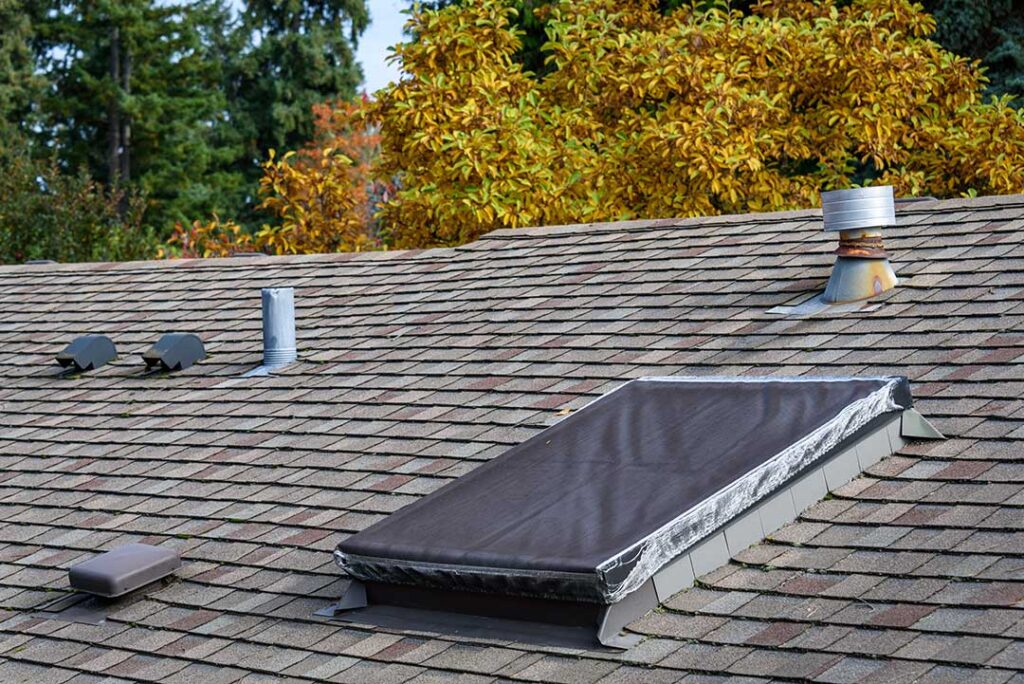
Sun exposure is a normal part of a roof’s environment, but years of ultraviolet radiation and repeated heating can gradually change roofing materials. In Flint, MI, the effect is combined with winter freezing, snow, moisture, wind, and large seasonal temperature swings.
The sunny side of a roof may age differently from the shaded side. That difference does not automatically mean the roof has failed, but it can provide useful clues during routine inspections.
What does sunlight do to roofing materials?
Sunlight affects a roof in two main ways: ultraviolet radiation breaks down exposed materials, and solar heat causes repeated expansion and contraction.
Ultraviolet radiation can weaken the surface of asphalt shingles over time. The result may include:
- Fading or uneven color
- Loss of the shingle’s protective surface granules
- Brittle or curled edges
- Cracking around exposed areas
- Reduced flexibility in older shingles
The sun also heats the roof surface. Roofing materials expand when warm and contract as they cool, sometimes several times in a single day. Repetition of this cycle can place stress on shingle seals, flashing, membranes, fasteners, and other connected materials.
Sunlight is not usually the only cause of roof damage. Age, installation quality, ventilation, moisture, ice, wind, and foot traffic can all contribute. Solar exposure is better understood as one part of the roof’s long-term aging process.
Why does one side of a roof look older than the other?
A roof slope that receives more direct sunlight often shows more visible aging than a slope shaded by trees, nearby structures, or its own orientation.
This can happen because the sunnier surface experiences:
- More ultraviolet exposure
- Higher surface temperatures
- More daily expansion and contraction
- Faster drying after rain or melting snow
- Greater exposure to reflected sunlight from nearby surfaces
A shaded roof slope may appear newer even when both sides were installed at the same time. However, shade can create other concerns. Limited sunlight may allow moss, algae, or damp debris to remain on the surface longer, especially where tree cover reduces airflow.
Uneven appearance alone is not proof of a leak or structural problem. It should be considered alongside granule loss, exposed underlayment, damaged flashing, soft decking, and interior water stains.
Does a darker roof get hotter?
Generally, darker roofing surfaces absorb more solar energy than lighter or more reflective surfaces. That can raise the temperature of the roof materials and increase heat transfer into the attic or upper levels of the home.
The difference depends on more than color. Roof pitch, ventilation, insulation, shade, material type, and the angle of the sun all influence surface temperature. A dark roof with good attic insulation and balanced ventilation may perform better inside the home than a lighter roof with poor ventilation.
For households considering replacement, roof color can be part of the decision, but it should not be treated as the only factor. In a northern climate, winter performance, snow management, durability, and compatibility with the structure also deserve attention.
How does sun exposure affect asphalt shingles?
Asphalt shingles contain a fiberglass or organic base, asphalt coating, and mineral granules. The granules help protect the asphalt from sunlight and weather. As shingles age, some granule loss is expected, but heavy or uneven loss can expose the underlying material to faster deterioration.
Common signs of sun-related aging include:
- Shingles that look dry, stiff, or brittle
- Curling or lifted corners
- Cracks along the shingle surface
- Bald patches where granules are missing
- Discoloration that is concentrated on one roof slope
- Seal strips that no longer hold shingles firmly together
A small amount of granule material in a gutter does not always indicate immediate failure. Large accumulations, widespread bald areas, or visible dark patches on many shingles are more concerning.
Heat can also affect the adhesive strips that help shingles resist wind. If the roof surface has aged substantially, shingles may become easier for strong winds to lift, particularly at edges, ridges, and areas with prior damage.
Does attic ventilation reduce sun-related roof damage?
Proper attic ventilation can help release built-up heat and moisture, but it does not stop ultraviolet aging on the roof surface.
A well-designed attic ventilation system typically works with intake openings near the lower roof edge and exhaust openings near the ridge or upper roof area. Insulation and air sealing are also important because warm indoor air that reaches a cold attic can create condensation during winter.
Good ventilation may help reduce excessive attic temperatures and moisture-related problems, including:
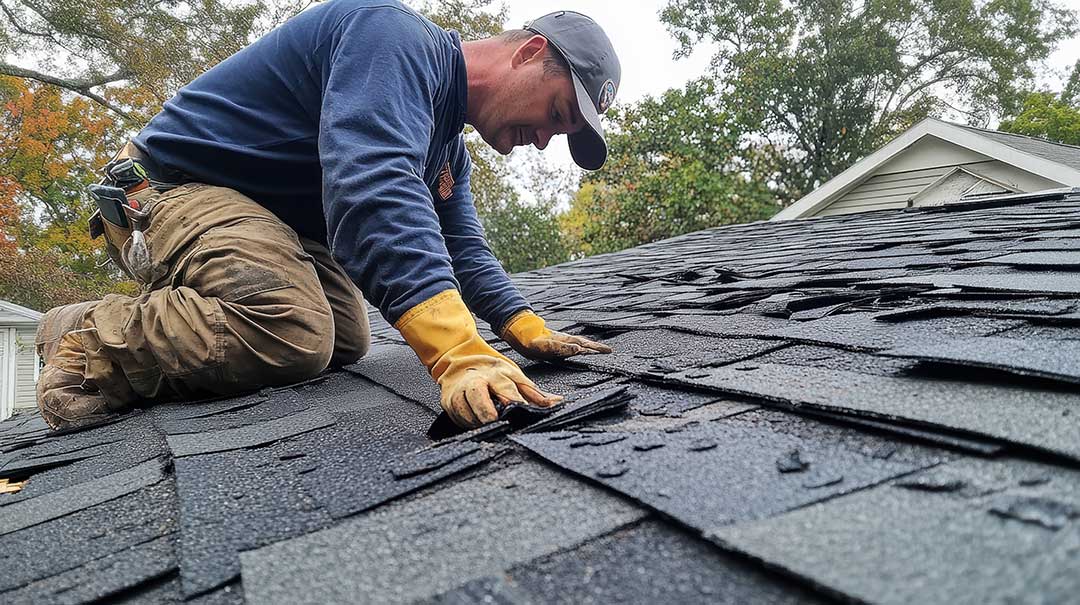
- Premature deterioration of roofing materials
- Damp insulation
- Mold or wood decay
- Frost accumulation
- Uneven indoor temperatures
Ventilation should not be added randomly by cutting openings into a roof. Poorly balanced ventilation can allow weather intrusion or fail to move air effectively. Existing systems also need to remain clear of insulation and debris.
Why does sun exposure matter in Flint?
The local climate includes hot summer periods, cold winters, snow, rainfall, and repeated freeze-thaw cycles. The sun can warm a roof surface during the day, while nighttime temperatures may fall sharply. In winter, sunlight can melt snow on one section of a roof while shaded areas remain covered.
That uneven melting may contribute to ice formation near colder roof edges, especially when heat escapes through the attic or when ventilation and insulation are inadequate. The sun is not the sole cause of ice dams, but alternating warming and freezing can influence how snow and ice behave on the roof.
Older homes and homes with multiple additions may also have roof slopes with different orientations, materials, and ventilation conditions. As a result, one section may show sun-related wear sooner than another.
Can trees protect a roof from the sun?
Trees can reduce direct sunlight and lower surface temperatures, but they can also introduce other maintenance concerns. Overhanging branches may scrape shingles, drop leaves, hold moisture against the roof, and restrict airflow.
Shade does not extend a roof’s life indefinitely. A shaded roof still experiences weathering, and persistent dampness can create problems that are less common on a sunny, well-ventilated surface.
Branches should not rest on the roof or rub against roofing materials. Leaves and small debris should be cleared when they collect in valleys, behind roof features, or near drainage paths. Any work involving steep or wet surfaces can create a fall hazard.
When should sun-related roof changes be investigated?
A roof deserves closer attention when surface changes are accompanied by functional symptoms. Warning signs include:
- Water stains on ceilings or upper walls
- Shingles that are missing, loose, or visibly cracked
- Daylight visible through the roof assembly
- Sagging roof decking
- Persistent dampness or musty odors in the attic
- Large amounts of granules in gutters
- Flashing that is bent, separated, or heavily corroded
- Different roof sections aging at noticeably different rates
Photographs taken from the ground at the same time each year can help track changes without requiring anyone to walk on the roof. Interior attic observations can also reveal problems that are not visible from outside, such as wet insulation, frost, or darkened wood.
Sun exposure is unavoidable, but its effects are easier to manage when roof surfaces, drainage, attic conditions, and flashing are observed together. A roof that looks slightly faded may simply be aging normally; a roof with brittle shingles, widespread granule loss, and moisture evidence may need more immediate evaluation.